Oil prices fall as global market selloff outweighs Middle East supply concerns

NEW DELHI: Global oil prices declined on Monday as a broader selloff in financial markets weighed on commodity prices, although continued attacks on shipping and energy infrastructure in the Gulf region limited the losses. Investors remained concerned about the impact of weakening market sentiment and uncertainty surrounding the economic benefits of heavy investments in artificial intelligence (AI).
Brent crude futures fell 28 cents, or 0.30 per cent, to $92.29 per barrel by 0216 GMT, while US West Texas Intermediate (WTI) crude futures declined 15 cents, or 0.18 per cent, to $83.26 per barrel. Both benchmarks extended their losing streak for a third consecutive week. Brent had fallen 4 per cent and WTI 5 per cent during the previous week.
The decline came amid widespread weakness in global equity markets, with Asian stocks opening lower on Monday. South Korea's technology-heavy stock market dropped 4 per cent, while markets in China, Hong Kong and Australia also recorded losses. In the United States, the Nasdaq plunged 10 per cent last week amid concerns over technology valuations and the returns expected from massive AI investments.
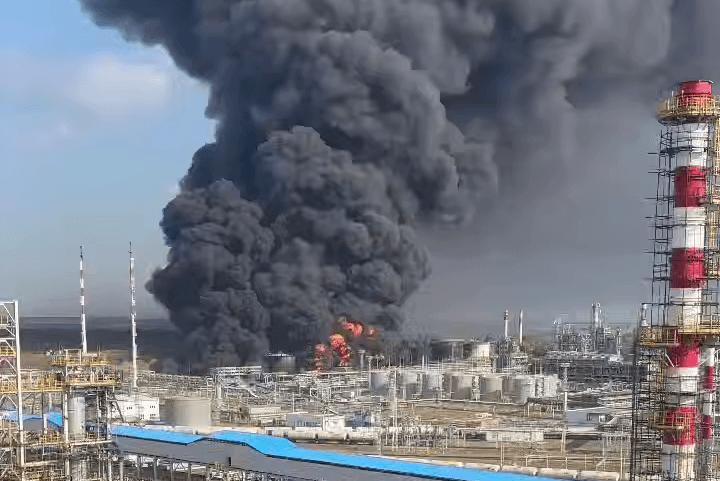
However, geopolitical tensions in the Middle East continued to provide some support to crude prices. The ongoing US-Israeli conflict with Iran and reported attacks on commercial shipping in the Gulf and near the strategically important Strait of Hormuz have heightened concerns about potential disruptions to global oil supplies.
The Iran-aligned Houthi movement claimed responsibility for an attack on a Saudi Arabian oil refinery on Sunday. Multiple attacks on shipping in the Gulf region were also reported over the weekend, raising concerns about the security of energy transportation routes.
Mukesh Sahdev, chief oil analyst at Sydney-based XAnalysts, said downward momentum was weighing on oil prices but cautioned that increasing numbers of empty tankers compared with loaded vessels could eventually affect crude supply flows and push prices higher.
Meanwhile, negotiations at the COP31 climate summit in Türkiye collapsed after participating countries failed to agree on including a commitment to phase out fossil fuels in the final declaration. Saudi Arabia and other major oil-producing nations maintained that fossil fuels would continue to play an important role in the global economy and opposed references to their phase-out in the agreement.
Market participants are also looking ahead to the upcoming OPEC+ meetings scheduled for November 29, when member countries and their allies, including Russia, are expected to discuss production policy for 2027. Decisions on output levels could influence global crude supply and prices in the coming months.