Oil prices rise as attacks on Saudi energy infrastructure raise global supply concerns

NEW DELHI: Global crude oil prices rose on Friday as renewed attacks on Saudi Arabia's energy infrastructure and commercial vessels in the Strait of Hormuz heightened concerns over potential disruptions to oil supplies from the Middle East.
Brent crude futures climbed to around $97.30 per barrel, while US West Texas Intermediate (WTI) crude rose to approximately $85.85 per barrel. Both benchmarks were on track to record their first weekly gains in four weeks, reversing a three-week decline.
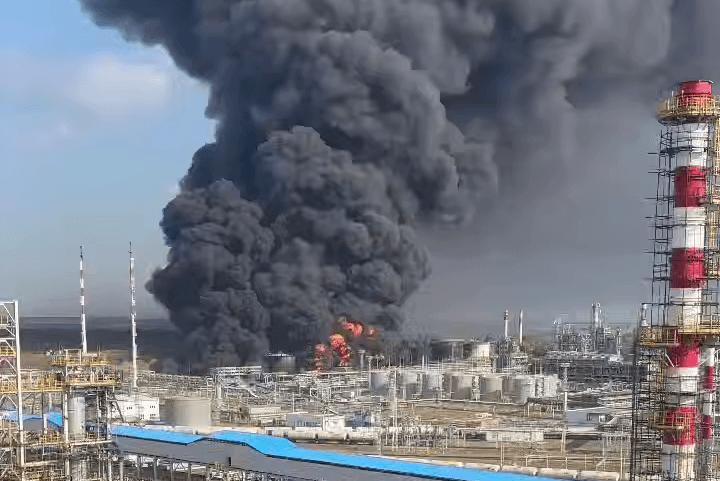
The latest increase followed an attack on Saudi Aramco's Jazan refinery in southwestern Saudi Arabia. According to the Saudi Energy Ministry, a projectile struck the facility on Thursday, triggering a fire and forcing the temporary suspension of some operations. The incident killed one Nepalese worker and injured several others.
The attack came a day after Yemen's Houthi group claimed responsibility for strikes targeting Saudi Arabia's Ras Tanura refinery, a major oil processing facility and crude export hub. The group also claimed attacks on the Red Sea ports of Jeddah and Jazan.
Concerns over maritime security have further intensified following attacks on commercial vessels navigating the Strait of Hormuz. Iran's Islamic Revolutionary Guard Corps said two oil tankers caught fire after hitting sea mines in the northern part of the waterway. Separately, the UK Maritime Trade Operations reported that a tanker was struck by an unidentified projectile off the coast of Oman.
The Strait of Hormuz is one of the world's most strategically important energy corridors, handling a substantial share of global petroleum shipments. Any prolonged disruption to shipping through the waterway could affect international oil supplies, increase transportation costs and create volatility in energy markets.
Market attention is also focused on the upcoming November 29 meeting of the OPEC+ group, where major oil-producing countries are expected to discuss their production strategy for 2027. Reports indicate that the group is likely to maintain its existing production targets through at least the first quarter of 2027.
Analysts have warned that Brent crude could cross the $100-per-barrel mark if disruptions to physical oil supplies intensify. However, expectations of adequate global supplies and rising US crude inventories could limit further price increases.
The latest developments have renewed concerns about the vulnerability of global energy markets to geopolitical conflicts. Countries heavily dependent on imported oil, particularly in Asia, could face higher import bills, inflationary pressures and increased transportation and manufacturing costs if supply disruptions persist.