Volcanic eruption strands 270,000 passengers across Indonesia, grounds over 2,000 flights
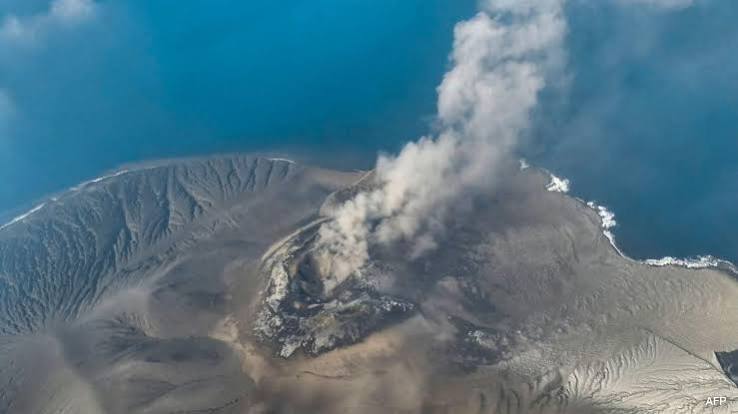
NEW DELHI: Around 270,000 passengers have been left stranded across Indonesia after the eruption of Anak Krakatau volcano disrupted air travel, grounding more than 2,000 flights and forcing several airports to suspend operations for a second consecutive day.
Anak Krakatau, located in the Sunda Strait about 150 km from Jakarta, began erupting late Friday, producing lava fountains and sending volcanic ash towards Jakarta and Indonesia's Lampung province. The volcano remained seismically active throughout the weekend, with authorities warning that further eruptions remain possible.
Jakarta's Soekarno-Hatta International Airport and three other airports extended their closures until 18:00 local time on Monday after volcanic ash was detected in nearby airspace. The disruptions have affected thousands of domestic and international travellers, with long queues forming at airport terminals as passengers sought refunds, alternative flights and information about when services would resume.
Indonesia's Geological Agency warned on Monday that the probability of further eruptions remains high. The country's meteorological agency, BMKG, said volcanic ash had reached altitudes of up to 6,000 metres on the Java side and 15,000 metres on the Sumatra side, with ash also detected over parts of Banten province in western Java.
Indonesia's Transport Minister Dudy Purwagandhi said authorities could not predict when airport closures would end because weather conditions were constantly changing. Airport authorities have been conducting ash-monitoring tests every 30 minutes to determine whether the affected areas are expanding or conditions are improving.
The disruption has forced passengers to make alternative travel arrangements. Some travellers have turned to trains and other forms of ground transport, while others have been forced to extend hotel stays or remain at airports.
Schools in affected areas have shifted classes online, while shipping operations in the Sunda Strait have also been disrupted. Authorities have prohibited vessels from entering a 3-km exclusion zone around the active crater and warned people against approaching or undertaking activities within the same radius.
Despite the eruption, authorities have confirmed that there is currently no tsunami warning associated with the latest volcanic activity.
Anak Krakatau, meaning “Child of Krakatoa”, emerged from the sea in the early 20th century within the caldera created by the catastrophic 1883 eruption of Krakatoa. The volcano collapsed in December 2018, triggering a tsunami that killed more than 400 people and injured and displaced thousands along the coasts of Java and Sumatra.
The latest eruption has once again highlighted Indonesia's exposure to volcanic hazards. The country lies along the Pacific Ring of Fire, a vast zone of tectonic activity stretching roughly 40,000 km around the Pacific Ocean. The region contains a large proportion of the world's active volcanoes and experiences the majority of global earthquakes.
Authorities are continuing to monitor Anak Krakatau closely as aviation and maritime restrictions remain in place.