Israel strikes Beirut for first time since Hezbollah ceasefire
NEW DELHI: Israel launched airstrikes on Beirut’s southern suburbs for the first time since the ceasefire agreement with Hezbollah came into effect last month, marking a major escalation in tensions across the region amid the ongoing Iran-linked conflict.
The Israeli military said the strike targeted a senior commander of Hezbollah’s elite Radwan Force in the Hezbollah-controlled Dahiyeh area of southern Beirut. Israeli Prime Minister Benjamin Netanyahu and Defence Minister Israel Katz said the operation was aimed at preventing further attacks on Israeli territory and military personnel.
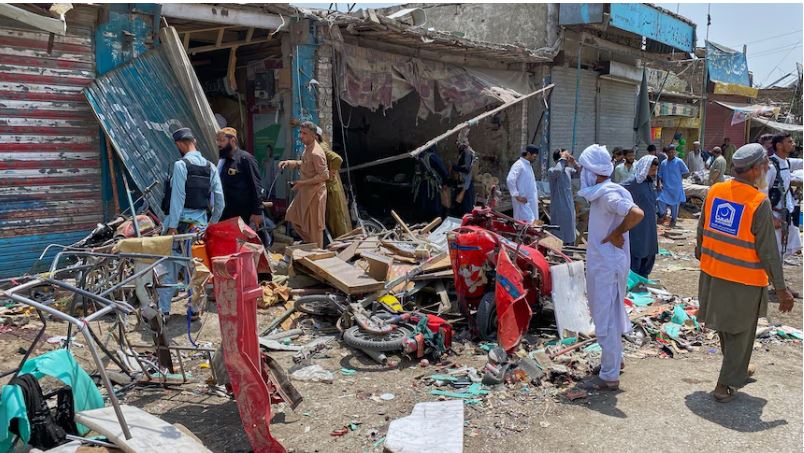
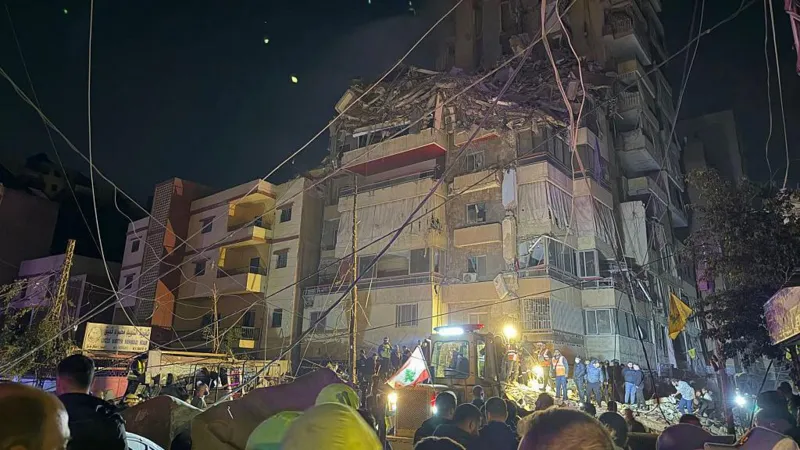
According to Lebanese security sources and international media reports, the strike hit a building in the Haret Hreik neighbourhood, a known Hezbollah stronghold, causing significant damage and triggering panic among residents. Rescue teams were deployed to the area as smoke rose over the suburb following the attack.
The latest attack is seen as the most serious violation of the ceasefire announced on April 16, which had temporarily reduced hostilities between Israel and Hezbollah after weeks of cross-border clashes. Although fighting had continued in southern Lebanon, Beirut had largely remained untouched since the truce began.
Israel claimed the targeted Hezbollah commander was directly involved in planning attacks against Israeli communities and IDF forces near the Lebanon border. However, Hezbollah has not officially confirmed the identity or fate of the commander targeted in the strike.
The strike comes at a highly sensitive moment as the United States and Iran continue indirect negotiations over a broader regional peace framework linked to the Strait of Hormuz crisis and ongoing Middle East tensions. Analysts warn that renewed Israeli strikes in Beirut could further destabilise the fragile ceasefire and complicate diplomatic efforts underway in the region.
Lebanese officials condemned the attack, warning that repeated Israeli operations could push the conflict into a wider regional confrontation. International observers are also closely watching the situation amid fears of renewed escalation involving Hezbollah, Iran-backed groups, and Israel across multiple fronts.