Yen strengthens as Bank of Japan rate hike bets surge
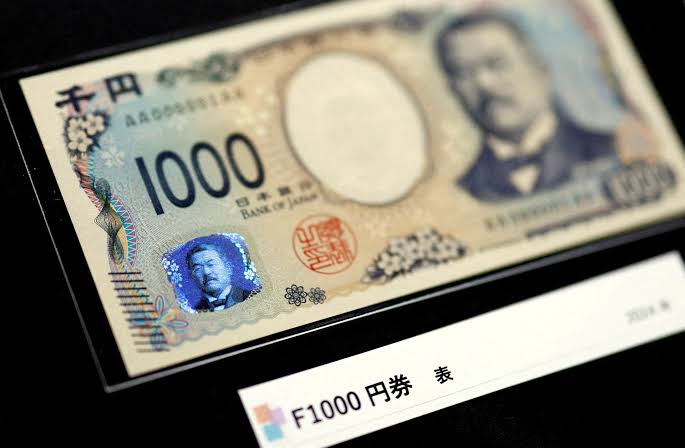
NEW DELHI: The Japanese yen strengthened sharply on Thursday, climbing nearly 1.5% to 156.36 yen per U.S. dollar, its strongest level in about a month, as financial markets increasingly priced in the possibility of another Bank of Japan (BOJ) interest-rate hike this month. The yen has now recorded its strongest two-day advance since early August.
The latest rally followed increasingly hawkish signals from BOJ officials. Board member Hajime Takata said the central bank should respond flexibly and promptly to inflationary pressures rather than follow a fixed timetable for rate increases. His comments strengthened expectations that policymakers could accelerate monetary tightening if price pressures continue to build.
BOJ Governor Kazuo Ueda also indicated this week that the central bank will discuss the possibility of raising rates at its upcoming September meeting. Ueda said policymakers would assess whether Japan's economic outlook is developing as expected and whether upside risks to inflation have increased. He stressed that the BOJ needs to remain particularly attentive to inflation risks while carefully assessing the cumulative effects of previous rate increases.
Market expectations for a September rate increase have consequently risen sharply, with investors moving close to fully pricing in a 25-basis-point hike. The BOJ's next policy meeting is scheduled for September 17-18, when officials will assess inflation, economic growth and financial-market conditions before deciding whether further monetary tightening is warranted.
Japan's inflation outlook has become an important factor behind the shift in expectations. Ueda has pointed to several potential sources of upward price pressure, including the weak yen, higher import costs, strong demand linked to artificial intelligence and geopolitical risks affecting energy prices. A stronger yen, in turn, could help reduce the cost of imported fuel and other goods for Japanese consumers and businesses.
The yen's gains have also been supported by speculation over possible foreign-exchange intervention by Japanese authorities. However, Reuters reported that the latest surge was not considered to be the result of direct intervention. Earlier comments from U.S. Treasury Secretary Scott Bessent, who has called for measures that would strengthen the yen, have also contributed to expectations of a more hawkish Japanese monetary policy.
The currency's movement is significant for global markets because higher Japanese interest rates could narrow the gap between Japanese and overseas borrowing costs. This could reduce the attractiveness of yen-funded carry trades, in which investors borrow cheaply in Japan to invest in higher-yielding assets elsewhere. A sustained shift in these trades could have wider implications for global currencies, bonds and risk assets.
Attention is now turning to upcoming economic data, particularly the U.S. jobs report, which could influence expectations for U.S. Federal Reserve policy and, consequently, the interest-rate differential between the United States and Japan. Any further narrowing of that gap could provide additional support to the yen.