COP31 ends without agreement as countries clash over fossil fuels

NEW DELHI: The 31st United Nations Climate Change Conference (COP31) in Antalya, Türkiye, has ended without a comprehensive agreement after countries failed to resolve differences over fossil fuel commitments and climate finance. The proposed final deal was rejected by the European Union and several other countries, which argued that it lacked the ambition needed to address the growing climate crisis.
The negotiations continued for more than two weeks and extended nearly 44 hours beyond the scheduled closing time, making COP31 the longest UN climate summit on record. However, participating countries failed to reach consensus on the final political declaration, with disagreements primarily centred on whether the agreement should explicitly call for a transition away from coal, oil and natural gas.
The European Union, the United Kingdom, Panama, Norway and several island nations opposed the proposed text, arguing that its failure to directly address fossil fuels represented a setback for international climate efforts. The EU said the agreement did not reflect the level of action required to tackle global warming.
Climate finance also emerged as a major point of disagreement, particularly among developing countries seeking stronger financial commitments to deal with the effects of climate change. The proposed agreement included a call to increase adaptation finance but did not establish a clear baseline for measuring the proposed increase.
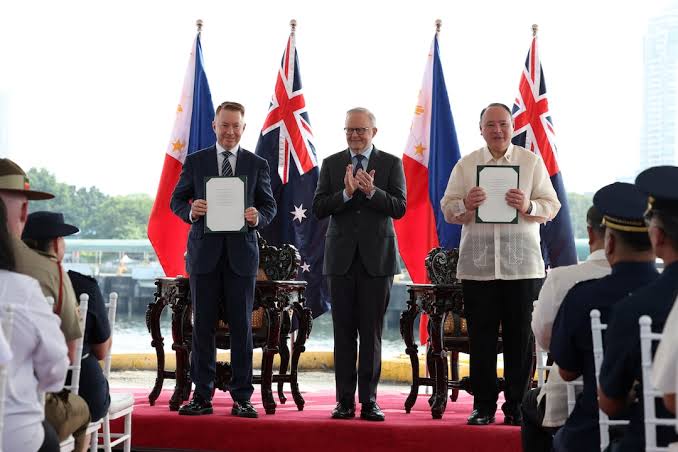
The draft, presented under the leadership of Türkiye and Australia, also included a target to increase electricity's share of global final energy consumption to 35 per cent by 2035 and called for greater development of carbon removal technologies. However, these proposals failed to secure the broad support required for adoption.
UN Secretary-General António Guterres expressed disappointment over the outcome, saying governments had failed to meet the urgency demanded by the climate crisis. Australia's Climate Change and Energy Minister Chris Bowen also described the failure to reach an agreement as disappointing, citing deep divisions among participating countries.
Despite the breakdown in negotiations, previously agreed international climate commitments, including those under the Paris Agreement, remain in force. The outcome, however, has raised fresh concerns about the ability of countries to reach consensus on stronger measures to reduce greenhouse gas emissions and support climate-vulnerable nations.