India calls for urgent reforms in global institutions as BRICS adopts New Delhi Declaration
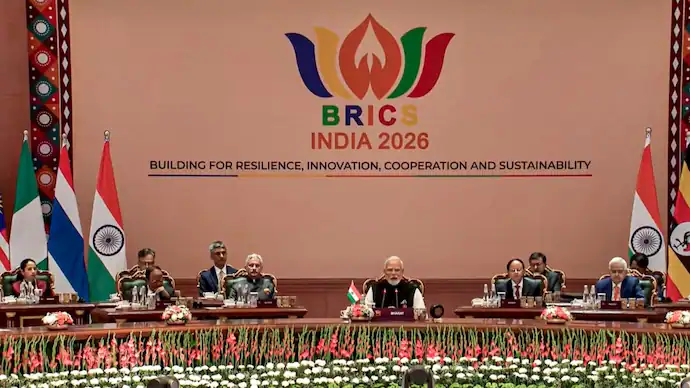
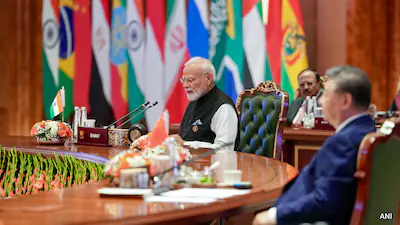
NEW DELHI: Prime Minister Narendra Modi has called for urgent reforms in global institutions, including the United Nations Security Council, as India hosted the 18th BRICS Summit in New Delhi. The summit brought together leaders and senior representatives of emerging economies to deliberate on global governance, economic cooperation, international security and the priorities of the Global South.
In a significant diplomatic development, BRICS member countries unanimously adopted the New Delhi Declaration, outlining their shared concerns over escalating conflicts, unilateral economic measures and the need for a more inclusive international order. The declaration comes at a time when geopolitical tensions, trade restrictions and disruptions to global supply chains are posing challenges to developing economies.
Modi calls for greater representation of developing countries
Addressing the BRICS gathering, Prime Minister Narendra Modi emphasized the need to reform international institutions to reflect contemporary global realities. He called for greater representation, accountability and participation of developing countries in global decision-making.
India has consistently advocated reforms in the United Nations Security Council and other multilateral institutions, arguing that the existing structures do not adequately reflect the economic and demographic importance of emerging economies.
Modi also underlined the importance of ensuring that the Global South has a meaningful role in shaping international rules, particularly in areas such as technology, finance, trade and sustainable development.
BRICS declaration focuses on peace and diplomacy
The New Delhi Declaration expressed deep concern over escalating conflicts in the Middle East and Ukraine. BRICS leaders called for maximum restraint and emphasized dialogue, consultation and diplomacy as the preferred means of resolving international disputes.
The grouping also reiterated its opposition to unilateral economic sanctions and tariff measures that it says distort international trade and affect developing economies. The declaration highlighted the importance of a fair, inclusive and rules-based global economic system.
India pushes economic and technological cooperation
Economic cooperation remained a key focus of the summit, with discussions covering local-currency settlements, cross-border payments, investment, financial cooperation and resilient supply chains.
BRICS members also discussed cooperation in artificial intelligence, digital public infrastructure and technology governance. India emphasized the need for technology to support inclusive growth and address the development challenges faced by countries of the Global South.
The summit also highlighted initiatives related to industrial competencies, investment cooperation and the sharing of development experiences among member countries.
Terrorism and global security remain key priorities
The BRICS declaration condemned terrorism in all its forms and reaffirmed the importance of international cooperation against terrorist financing, safe havens and related activities.
The declaration also condemned the Pahalgam terror attack and stressed the need for a coordinated international response to terrorism. India has sought greater global cooperation in tackling terrorism and preventing the misuse of financial and technological networks for extremist activities.
India’s BRICS chairship strengthens diplomatic engagement
India’s chairship of BRICS provides an opportunity to strengthen its engagement with major emerging economies, including Russia, China, Brazil, South Africa and the expanded membership.
The participation of Chinese President Xi Jinping, Russian President Vladimir Putin and other leaders has placed the summit at the centre of international diplomatic attention. India is seeking to maintain a balanced approach to global partnerships while advancing its priorities on economic development, security and multilateral reforms.
The New Delhi Summit is expected to shape the future direction of BRICS cooperation and its role in addressing major global challenges. The ability of the grouping to translate its declarations into practical initiatives will remain important in determining its influence in international affairs.