Iran defies Trump, says Strait of Hormuz remains blocked amid rising US tensions
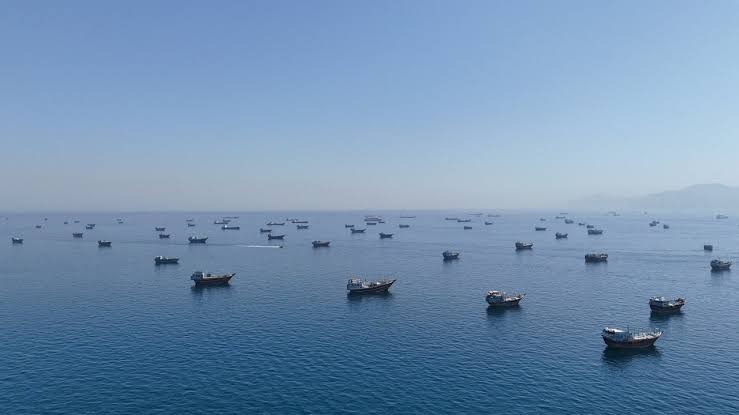
NEW DELHI: Iran has rejected US President Donald Trump’s claim that Washington has “total control” of the Strait of Hormuz, insisting that the strategic waterway remains blocked and will not reopen until Tehran’s conditions are accepted.
The standoff marks a fresh escalation in tensions between Washington and Tehran, with the Strait of Hormuz remaining at the centre of a wider confrontation over maritime security, sanctions and freedom of navigation.
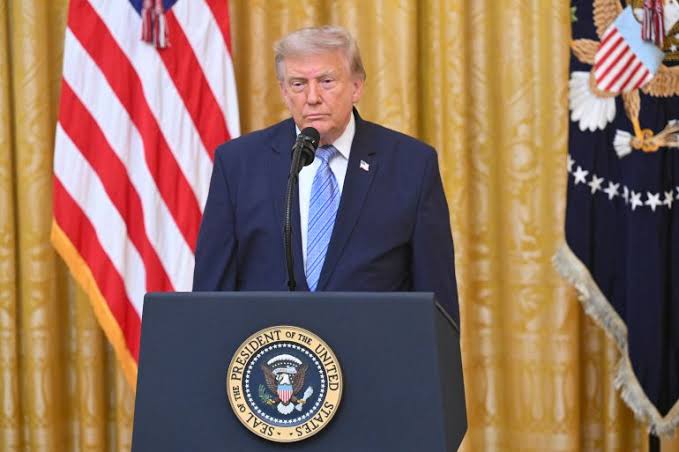
Trump said on August 12 that the United States had “total control” of the waterway and indicated that Washington intended to maintain its position. He described the US naval presence as a “wall of steel” and claimed Iran lacked the military capability to challenge it.
Iran, however, disputed the US assessment. The Persian Gulf Strait Authority said claims by US officials that the strait was no longer blocked did not reflect the situation on the ground and maintained that the waterway would remain closed until Iran's demands were met.
The latest developments come as diplomatic efforts between the United States and Iran appear stalled. Iranian officials have said there has been no progress in efforts to revive an interim agreement, while Washington has continued to press Tehran over the reopening of the crucial shipping route.
The confrontation has major implications for global energy markets because the Strait of Hormuz is one of the world's most important oil and gas transit routes. Any prolonged disruption could affect shipping costs, energy supplies and crude oil prices worldwide.
The crisis has also expanded beyond the Gulf. Iran-backed Houthi forces have threatened shipping around the Bab el-Mandeb Strait, another major maritime chokepoint linking the Red Sea with the Gulf of Aden. Fox News reported that attacks on vessels in the region have raised concerns about a wider disruption to global maritime trade.
With negotiations deadlocked and both Washington and Tehran maintaining opposing positions on Hormuz, the possibility of further military or economic escalation remains a major concern for international markets and global shipping.