Oil prices jump despite record release of strategic reserves
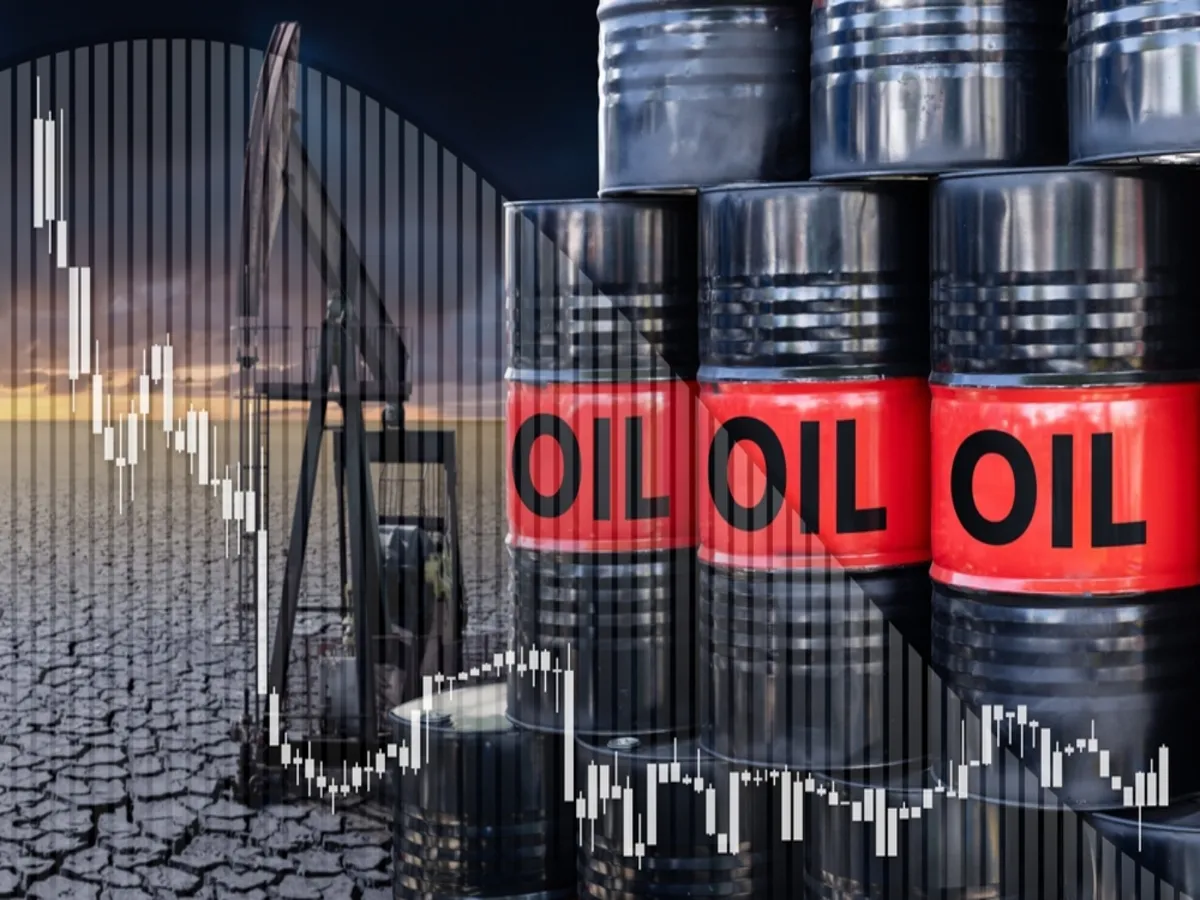
NEW DELHI: Global oil prices surged on Thursday after three more cargo vessels were struck in the Gulf, intensifying concerns over disruptions to energy supply and rattling global markets.
Benchmark Brent crude rose more than 9 per cent during Asian trading, briefly crossing the $100-per-barrel mark before easing to around $97.50 later in the day.
The rise came despite the International Energy Agency (IEA) announcing on Wednesday that it would release a record 400 million barrels of oil from strategic reserves to mitigate the economic impact of the ongoing US-Israel conflict with Iran.
The Strait of Hormuz, one of the world’s most critical energy shipping routes, remains effectively closed amid fears of further attacks on vessels. An Islamic Revolutionary Guard Corps (IRGC) spokesperson warned that ships linked to the United States, Israel or their allies could become targets.
“You will not be able to artificially lower the price of oil. Expect oil at $200 per barrel,” the spokesperson said, adding that regional security conditions will determine oil prices.
Roughly one-fifth of the world’s energy supplies normally pass through the Strait of Hormuz, making any disruption there a major risk to global energy markets.
The planned reserve release by IEA members — which represent about two-thirds of global energy production and consumption — is more than double the previous record release after Russia’s invasion of Ukraine in 2022.
Experts say the move may only provide temporary relief. According to analysts, oil prices are likely to remain elevated as long as supply risks persist and traders expect prolonged disruption in the region.
Oil markets have been highly volatile since the United States and Israel launched airstrikes against Iran on 28 February, with Brent crude touching nearly $120 per barrel earlier this week.
The surge has pushed up fuel prices worldwide. In the United States, the average petrol price crossed $3.50 per gallon, according to the American Automobile Association.
Several Asian economies that rely heavily on Middle Eastern energy imports have been particularly affected. Long queues have been reported at petrol stations in the Philippines, Thailand and Vietnam as consumers rushed to secure fuel supplies.
Authorities in Thailand have urged government employees to work from home to conserve energy and have discouraged non-essential overseas travel. Meanwhile, the Philippines has introduced a four-day work week for government offices to reduce energy consumption.