Oil prices rise as Middle East uncertainty persists
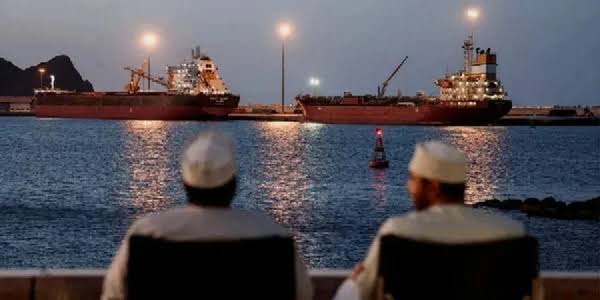
NEW DELHI: Oil prices rose for a second consecutive session on Tuesday as markets remained concerned about potential disruptions to Middle Eastern crude supplies amid continued uncertainty over US-Iran negotiations and the future of shipping through the Strait of Hormuz.
Brent crude futures rose to around $105.47 a barrel, while US West Texas Intermediate (WTI) crude was trading at about $92.82 a barrel. Earlier in the session, Brent had climbed above $106 a barrel as traders assessed the prospects for a diplomatic breakthrough between Washington and Tehran.
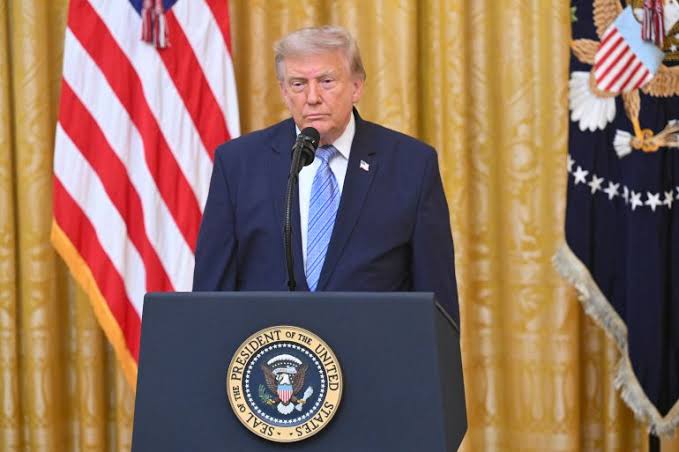
The market is closely watching efforts by mediators to bring the US and Iran closer to an agreement that could end the conflict and facilitate the reopening of the Strait of Hormuz, a major route for global energy shipments. US President Donald Trump has rejected reports that Washington had offered sanctions relief or the release of frozen Iranian funds as part of a potential deal.
At the same time, crude exports from major Middle Eastern producers have increased. Preliminary data from Kpler showed exports reaching about 12.8 million barrels per day in September, their highest level since February. However, some shipments continue to rely on more expensive alternatives such as ship-to-ship transfers, limiting the relief for global oil markets.
The uncertainty has also weighed on broader financial markets, with higher energy prices adding to concerns about inflation and interest rates. Asian stock markets declined on Tuesday, while investors continued to monitor developments in the Middle East and their potential impact on global growth and commodity prices