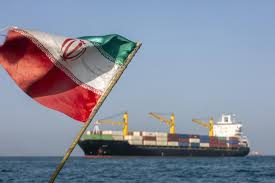
Oil prices surge as Middle East tensions fuel fears of supply disruptions
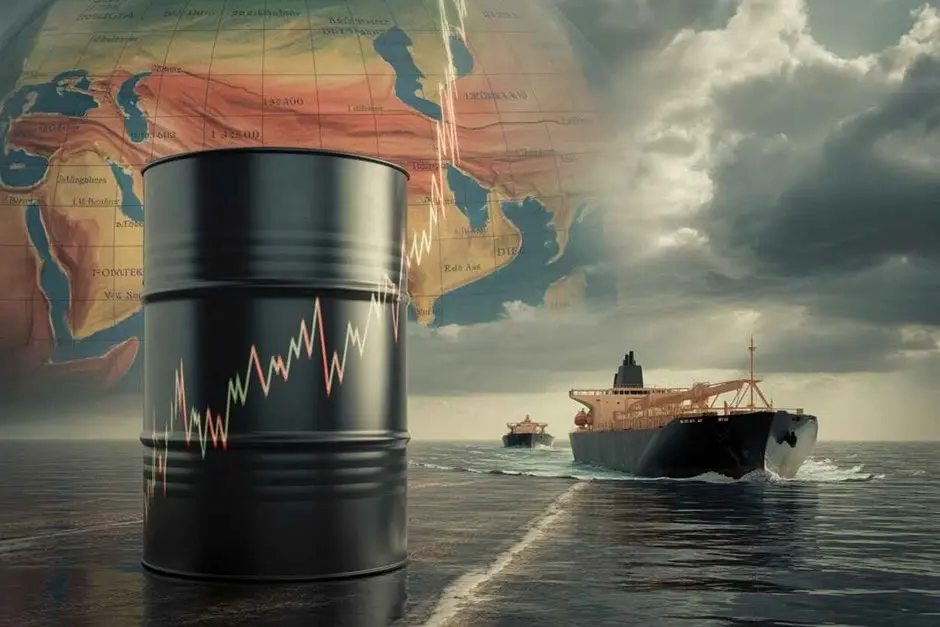
NEW DELHI: Global oil prices climbed sharply on Monday as escalating tensions in the Middle East heightened concerns over potential disruptions to energy supplies and maritime trade through the strategically important Strait of Hormuz. The rise in crude prices came after renewed hostilities between Israel and Iran raised fears that the conflict could affect one of the world's busiest oil transit routes.
Brent crude and West Texas Intermediate (WTI) futures recorded significant gains as traders assessed the risk of supply interruptions from the Gulf region, which accounts for a substantial share of global oil exports. Market participants remain particularly concerned about the possibility of restrictions on tanker movement through the Strait of Hormuz, a vital chokepoint through which nearly one-fifth of the world's oil supply passes.
The surge in energy prices weighed heavily on global financial markets. Major stock indices across Asia and Europe declined as investors moved away from riskier assets amid growing geopolitical uncertainty. Shares of airline, transportation and manufacturing companies came under pressure due to expectations of higher fuel costs and increased operating expenses.
Analysts warned that a prolonged conflict could further destabilise energy markets, increase inflationary pressures and slow global economic growth. Governments and international organisations are closely monitoring developments, with calls for diplomatic efforts to prevent further escalation and ensure the uninterrupted flow of global trade and energy supplies.
The latest market reaction highlights the sensitivity of global energy and financial markets to geopolitical developments in the Middle East, particularly when they involve key oil-producing nations and critical maritime trade routes.