Trump says Iran ‘will negotiate’, issues fresh warning ahead of Islamabad talks
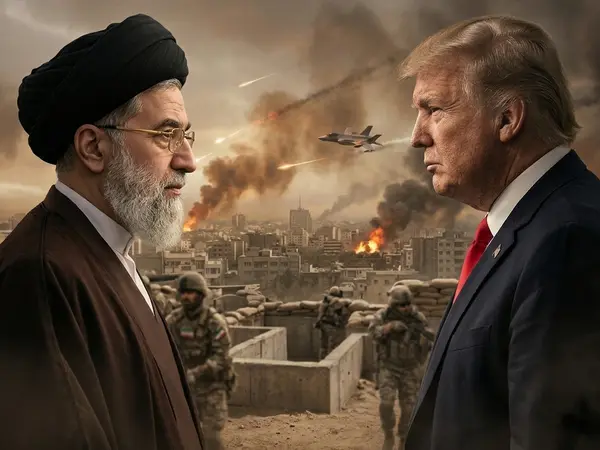
NEW DELHI: Donald Trump has asserted that Iran will eventually come to the negotiating table, even as he issued a fresh warning to Tehran ahead of a crucial round of talks expected in Islamabad. His remarks come amid heightened geopolitical tensions and uncertainty over whether the proposed dialogue will materialise.
Speaking ahead of the planned diplomatic engagement, Trump expressed confidence that Iran would agree to negotiations, while making it clear that the United States is prepared to escalate pressure if required. He emphasised that Washington’s priority remains preventing Iran from advancing its nuclear programme and ensuring that any future agreement is stronger and more comprehensive than previous arrangements.
The upcoming talks, expected to be hosted in Pakistan, are being seen as a significant diplomatic effort to de-escalate tensions in the region. However, uncertainty continues to loom over the process, with Iran signalling reluctance to participate under what it describes as coercive conditions. Reports suggest that Tehran may delay or reconsider its involvement, raising questions over the viability of the dialogue.
On the other hand, the United States has already moved forward with preparations, with officials reportedly heading to Pakistan to lay the groundwork for negotiations. Despite mixed signals, diplomatic observers believe backchannel communication may still keep the possibility of talks alive.
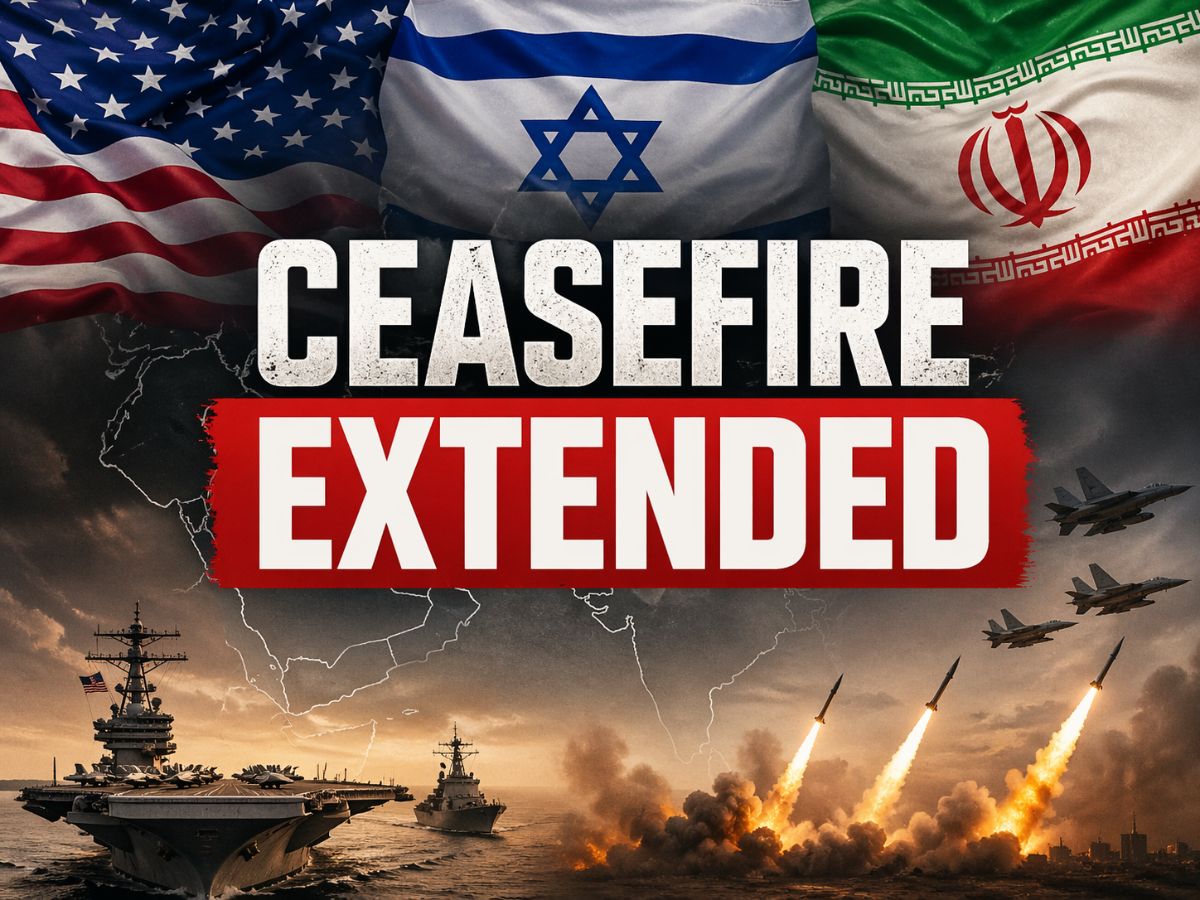
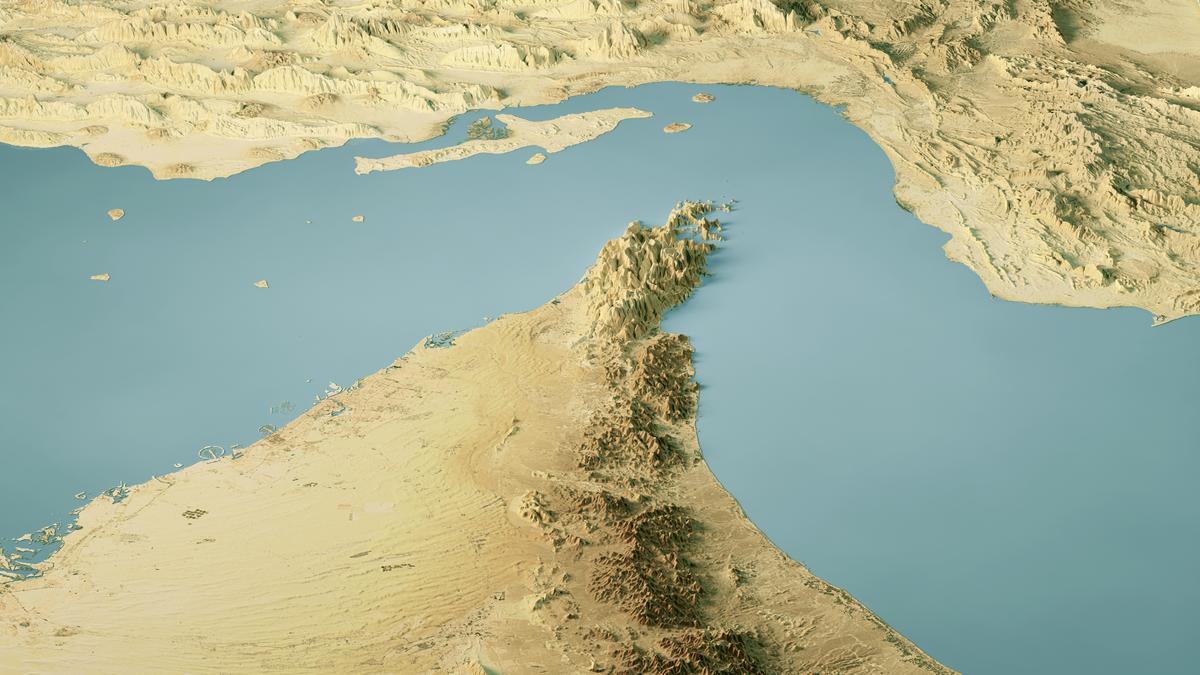
The urgency of the situation is underscored by an ongoing ceasefire that is nearing its deadline. Failure to reach an agreement could lead to renewed hostilities, further destabilising the region and impacting global energy markets, particularly due to the strategic importance of the Strait of Hormuz.
Recent developments have added to the strain, including increased military activity and confrontations at sea, which have intensified mistrust between the two sides. Iran has warned of potential retaliation if provoked, while the US has maintained a firm stance on its strategic objectives.
Pakistan, hosting the proposed talks in Islamabad, is positioning itself as a key intermediary in the crisis, seeking to facilitate dialogue and reduce tensions. The outcome of these discussions is expected to have far-reaching implications not only for US-Iran relations but also for broader regional stability.
As the situation evolves, the world watches closely to see whether diplomacy will prevail or if the standoff will escalate into a deeper conflict.