US to withdraw all troops from Iraq by September
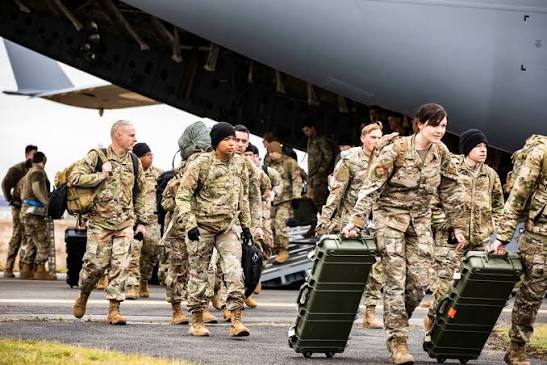
NEW DELHI: The United States will complete the withdrawal of all its remaining military forces from Iraq by September 30, bringing to an end a 23-year military presence that began with the 2003 US-led invasion to topple Saddam Hussein, American and Iraqi officials announced.
The announcement came during Iraqi Prime Minister Ali al-Zaidi's visit to Washington, where he held talks with US President Donald Trump. Speaking at the White House, Trump said the United States no longer believed a military presence in Iraq was necessary, while al-Zaidi confirmed that all American troops would leave the country by the end of September.
The withdrawal follows a security agreement reached between Washington and Baghdad in 2024 that outlined a phased end to the US-led coalition mission in Iraq. American troop levels have already been significantly reduced from about 2,500 personnel, with the remaining forces serving primarily in advisory and training roles for Iraqi security forces; media reports said.
The Pentagon said the transition reflects the growing capability of Iraqi security forces to independently address security challenges, including the continued threat posed by remnants of the Islamic State (IS) group. The US military's role has evolved over the years from combat operations to advising, assisting and supporting Iraqi forces.
Despite the military withdrawal, both governments stressed that bilateral relations would continue to deepen through economic cooperation. Al-Zaidi said American companies would remain active in Iraq, particularly in the energy sector, while Trump highlighted opportunities for increased US investment in Iraq's oil and infrastructure industries, media reported.
The departure marks a major turning point in US involvement in Iraq, ending one of America's longest military engagements in the Middle East. Analysts say the move reflects both Iraq's desire to assume full responsibility for its security and Washington's broader shift toward strategic partnerships rather than long-term military deployments in the region.