Middle East crisis deepens as U.S.-Iran talks continue over Strait of Hormuz
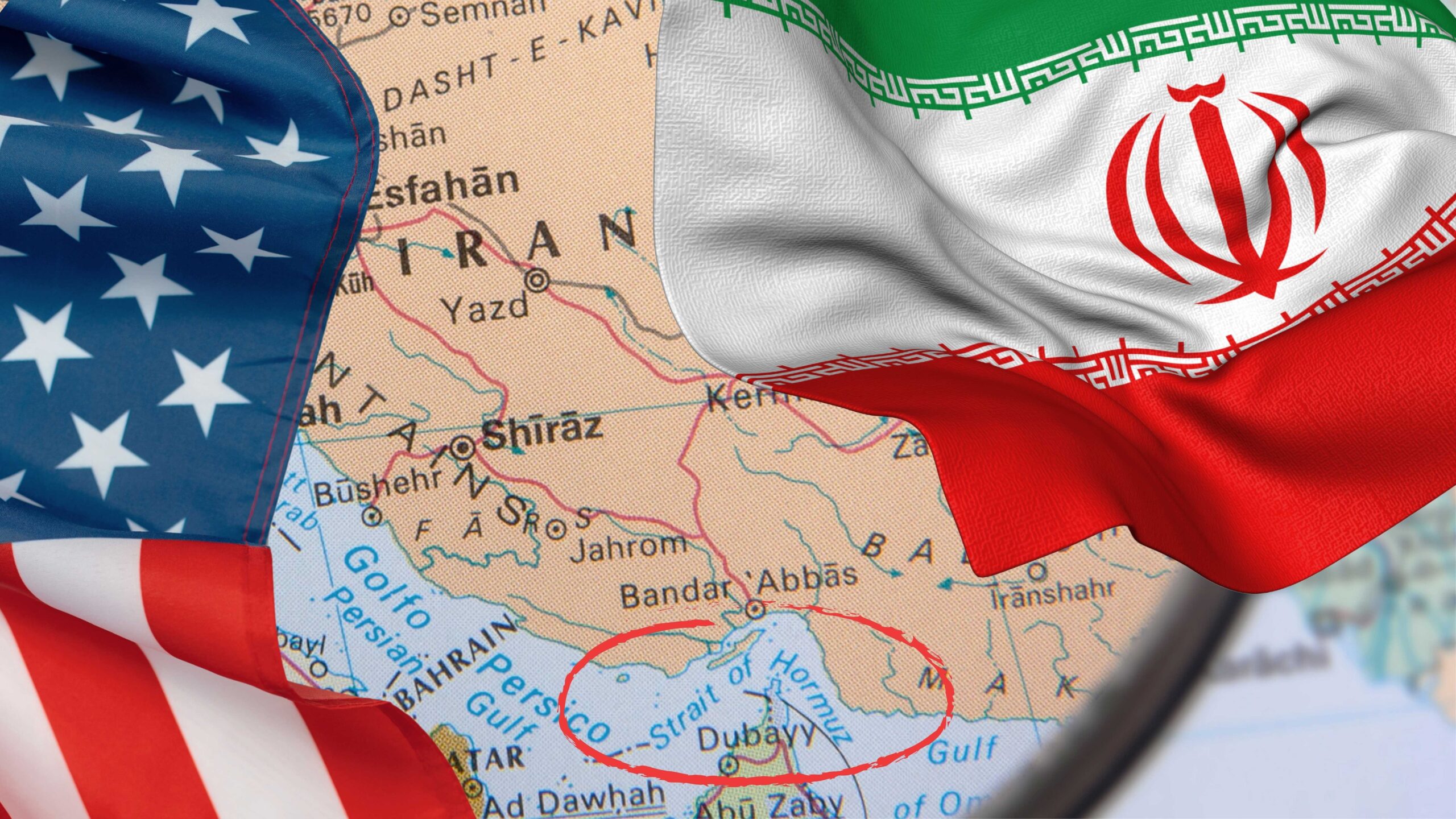
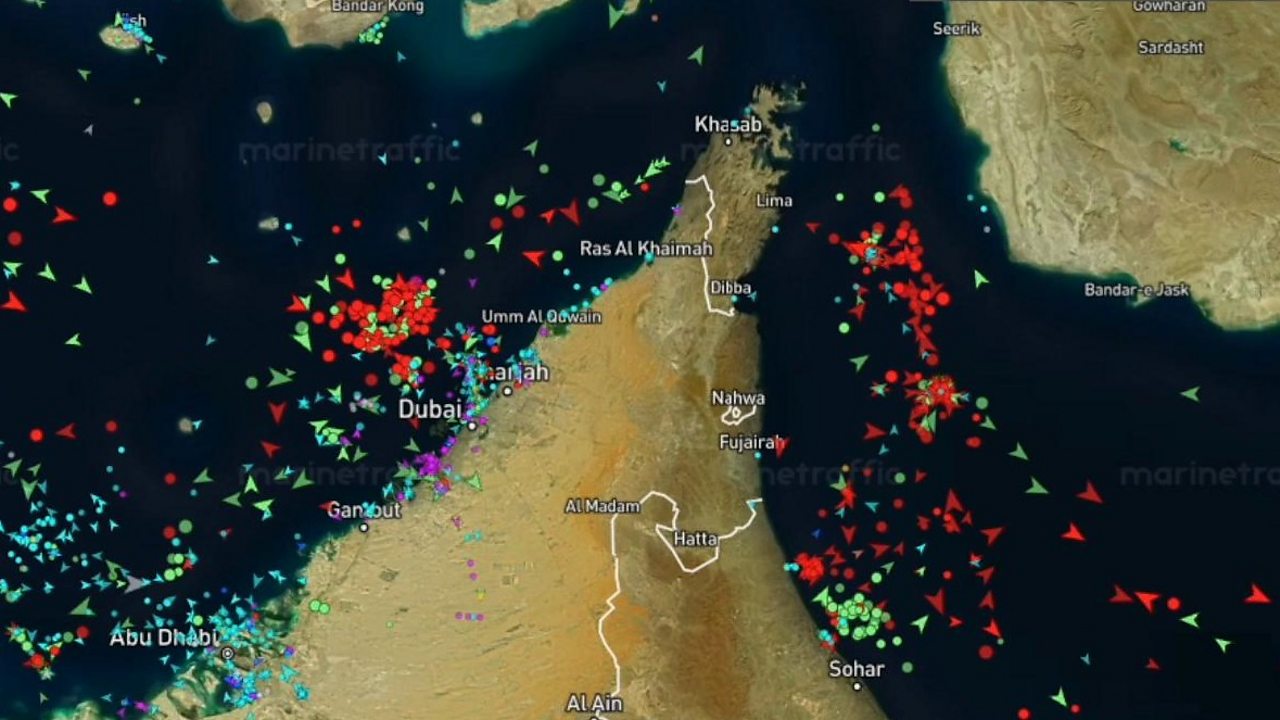
NEW DELHI: The Middle East remains on edge as the United States and Iran continue high-stakes ceasefire and nuclear negotiations linked to the strategically vital Strait of Hormuz. Despite ongoing diplomatic efforts, fresh military strikes, naval confrontations, and threats to global oil supplies have intensified concerns of a wider regional conflict.
According to international reports, the proposed agreement under discussion includes a 60-day ceasefire extension, reopening of the Strait of Hormuz for commercial shipping, and renewed talks on Iran’s nuclear programme. In return, Iran may clear naval mines from the waterway and allow unrestricted maritime movement, while the U.S. could ease certain sanctions and port restrictions.
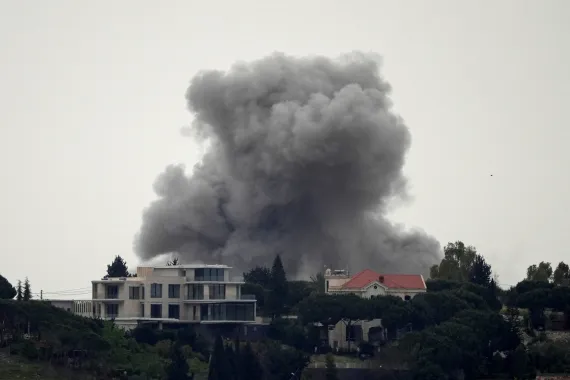
However, tensions escalated after the U.S. carried out “self-defense” strikes on Iranian missile sites and boats allegedly attempting to lay mines near the Strait of Hormuz. The strikes reportedly targeted areas in southern Iran and Bandar Abbas, raising fears that the fragile ceasefire could collapse. Iran condemned the attacks and accused Washington of violating ongoing peace efforts.
U.S. Secretary of State Marco Rubio stated that the Strait of Hormuz “has to remain open one way or another,” underlining the strategic importance of the route, through which nearly one-fifth of the world’s oil supply passes daily. Global markets have reacted sharply, with crude oil prices experiencing volatility amid concerns about disruptions to maritime trade.
The conflict traces back to the broader 2026 Iran war, which began after U.S. and Israeli strikes on Iranian military and nuclear infrastructure. Since then, the Strait of Hormuz has become a major flashpoint, witnessing naval blockades, drone attacks, and repeated military standoffs involving regional and global powers.
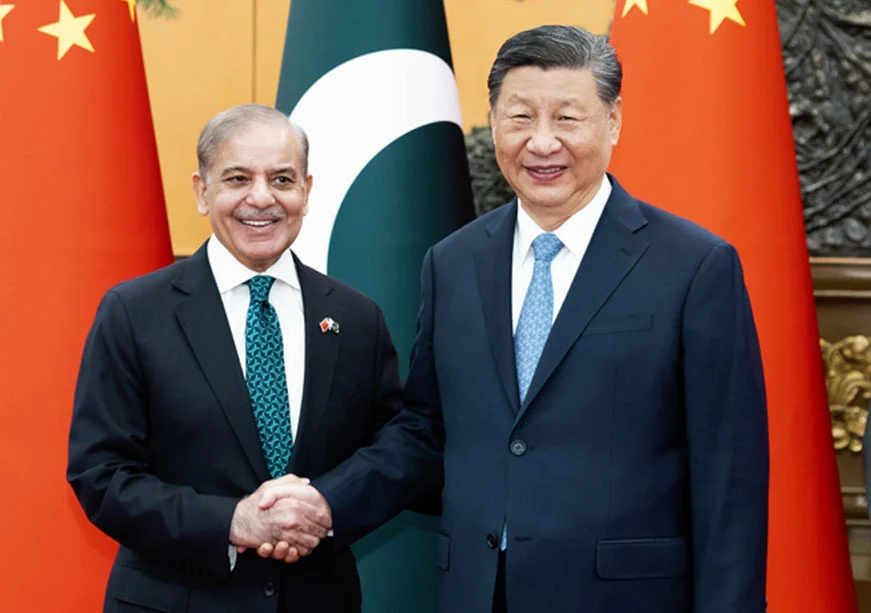
Regional powers including Saudi Arabia, the UAE, Qatar, Pakistan, and Turkey are reportedly pushing for a diplomatic resolution to avoid a prolonged conflict that could destabilize the global economy and energy markets. Pakistan is believed to be playing a key mediatory role in the ongoing negotiations.
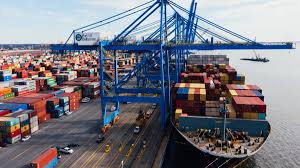
Analysts warn that any complete shutdown of the Strait of Hormuz could severely impact global fuel supplies, shipping routes, and international trade, particularly affecting Asian and European economies dependent on Gulf oil exports.