Strait of Hormuz deal faces shipping industry concerns over fees and navigation rules

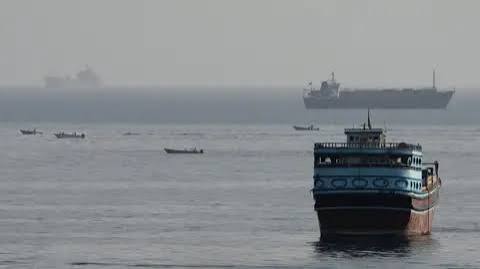
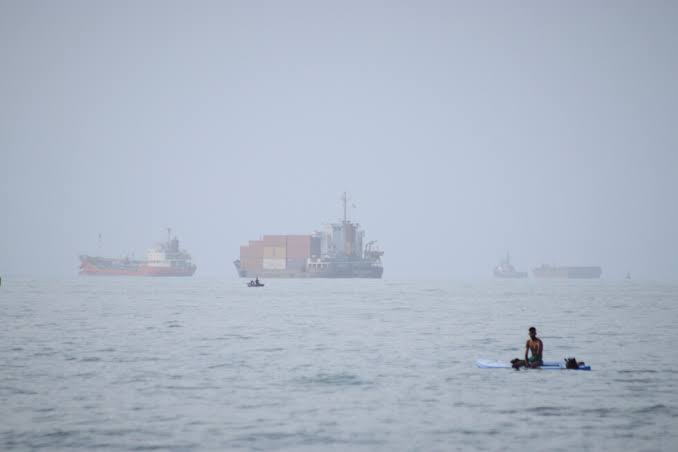
NEW DELHI: A proposed arrangement between Iran and Oman aimed at facilitating commercial shipping through the strategically vital Strait of Hormuz is facing serious concerns from the global shipping industry, with companies warning that the plan could prove difficult to implement because of legal, financial and insurance complications.
Iran and Oman are reportedly close to finalising an understanding on a shipping route through the waterway. However, the proposed framework could give Iran greater control over vessels entering the Persian Gulf, raising concerns among international shipping operators over freedom of navigation and compliance with existing maritime rules.
One of the key sticking points is the question of transit charges. Shipping-industry sources cited by Reuters said Iran has proposed fees equivalent to around 5–7% of a cargo's value, while Oman has considered a lower figure of about 3%. The United States has opposed the introduction of such charges.
The proposed fees could also create difficulties for shipping companies because of US sanctions and insurance restrictions. Industry representatives have warned that vessels paying charges to an Iranian authority could face sanctions-related risks or lose insurance coverage, potentially making the proposed arrangement commercially unworkable in its current form.
The developments are being closely watched by global energy markets. The Strait of Hormuz is a critical route for international oil and gas shipments, and any uncertainty over the resumption of normal maritime traffic can quickly affect crude prices and energy-security concerns. Recent reports indicate that oil prices have remained sensitive to signs of progress or setbacks in the Iran-Oman negotiations.
Iranian officials have said that an understanding with Oman on shipping routes is being finalised, but have also cautioned that such an agreement alone would not guarantee the security of navigation through the strategic waterway.
With negotiations continuing, the shipping industry is awaiting greater clarity on navigation control, transit fees, sanctions, insurance coverage and security arrangements before the proposed framework can translate into a reliable reopening of commercial traffic through the Strait.