US temporarily lifts major Iran oil sanctions amid ongoing peace talks
NEW DELHI: In a major diplomatic breakthrough, the United States has temporarily lifted sweeping sanctions on Iran, authorizing the production, delivery, and sale of Iranian-origin crude oil, petroleum, and petrochemical products.
The US Treasury Department issued a 60-day general license that will remain in effect through August 21, aligning precisely with the timeline of a newly struck interim agreement. The pause is designed to carve out diplomatic breathing room as Washington and Tehran attempt to hammer out a final, permanent peace deal.
The scope of the sanctions relief is remarkably broad, extending well beyond the oil fields. According to Treasury documents, the waiver covers vital associated services required to move energy globally, including:
Banking Transactions: Allowing financial institutions to clear transactions related to Iranian energy.
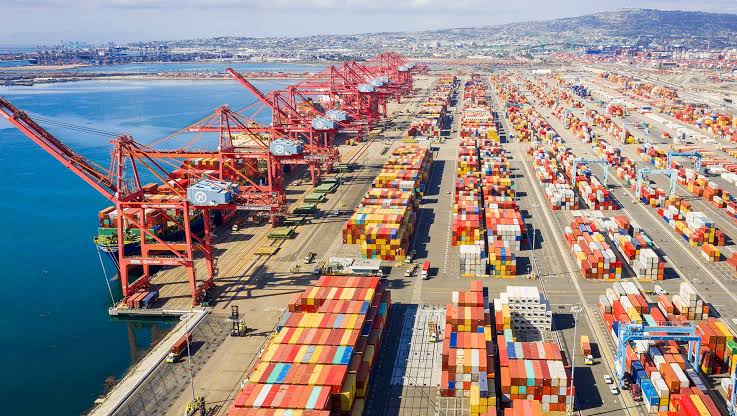
Logistics & Safety: Authorizing international insurance and maritime transportation services for Iranian cargo.
US Imports: Permitting the physical import of Iranian oil into the United States when necessary to complete a sale, delivery, or offloading.
However, the Biden-Trump transition framework maintained strict boundaries elsewhere. The Treasury Department explicitly clarified that any transactions involving North Korea or Cuba under this license remain strictly prohibited.
US Treasury Secretary Scott Bessent stated that the waiver was granted following specific, critical commitments from Tehran. Chief among them are an Iranian pledge to ensure free and open maritime transit through the highly strategic Strait of Hormuz—a global chokepoint for oil shipping—and a commitment to permit inspectors from the International Atomic Energy Agency (IAEA) back into the country.
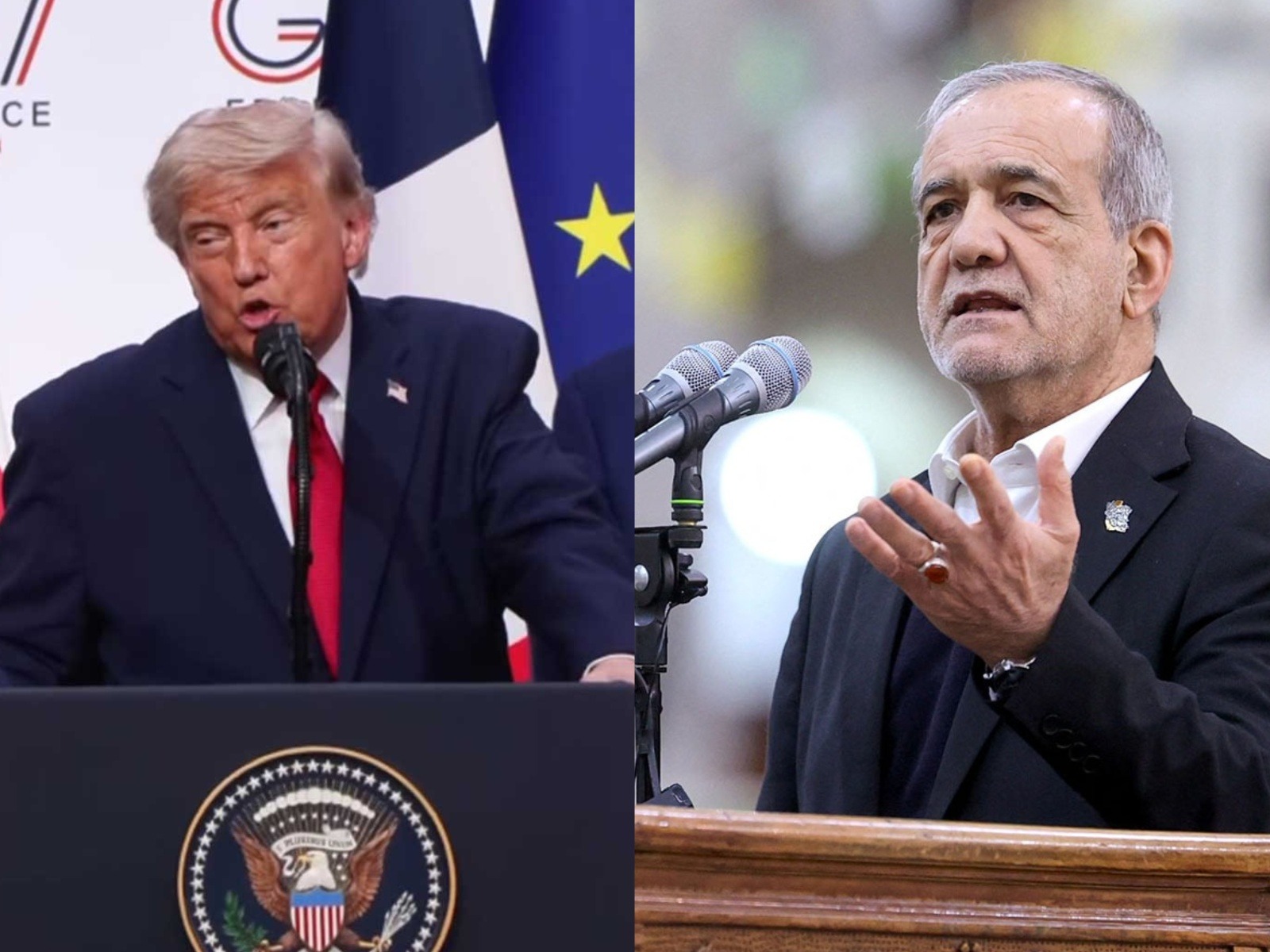
The high-stakes diplomatic talks, quietly hosted in Switzerland, have been led on the American side by Vice President JD Vance. Vance expressed strong optimism about the progress, stating that the initial rounds have established a "very good foundation" for a permanent settlement.
Yet, the path forward remains highly volatile. Iranian officials have already publicly disputed Vance's characterization of the talks, specifically denying that Tehran formally agreed during the first round of negotiations to allow the nuclear inspectors back into the country.
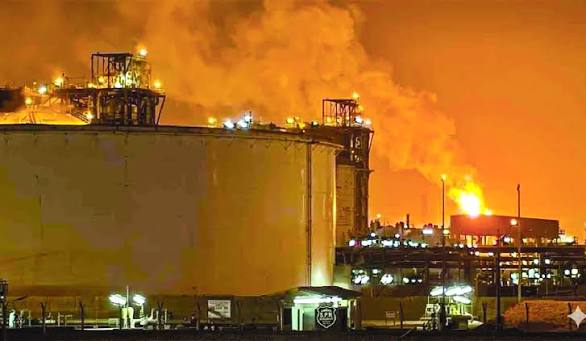
Global energy markets reacted instantly to the sudden prospect of millions of barrels of Iranian crude returning to the open market. Oil prices tumbled by more than three percent within hours of the announcement as algorithms and traders adjusted to the supply shock.
While the Treasury waiver permits transactions to be cleared in U.S. dollars—a massive friction reducer for global commerce—industry analysts expect heavy caution from major maritime buyers.
Because the license expires in just 60 days, any sudden collapse in the Swiss negotiations could trigger an immediate "snapback" of U.S. sanctions. For risk-averse refiners and shipping conglomerates, the fear of being caught with illicit cargo on August 22 may temper the initial rush for cheap Iranian crude.