India backs UN resolution calling for end to US economic embargo on Cuba
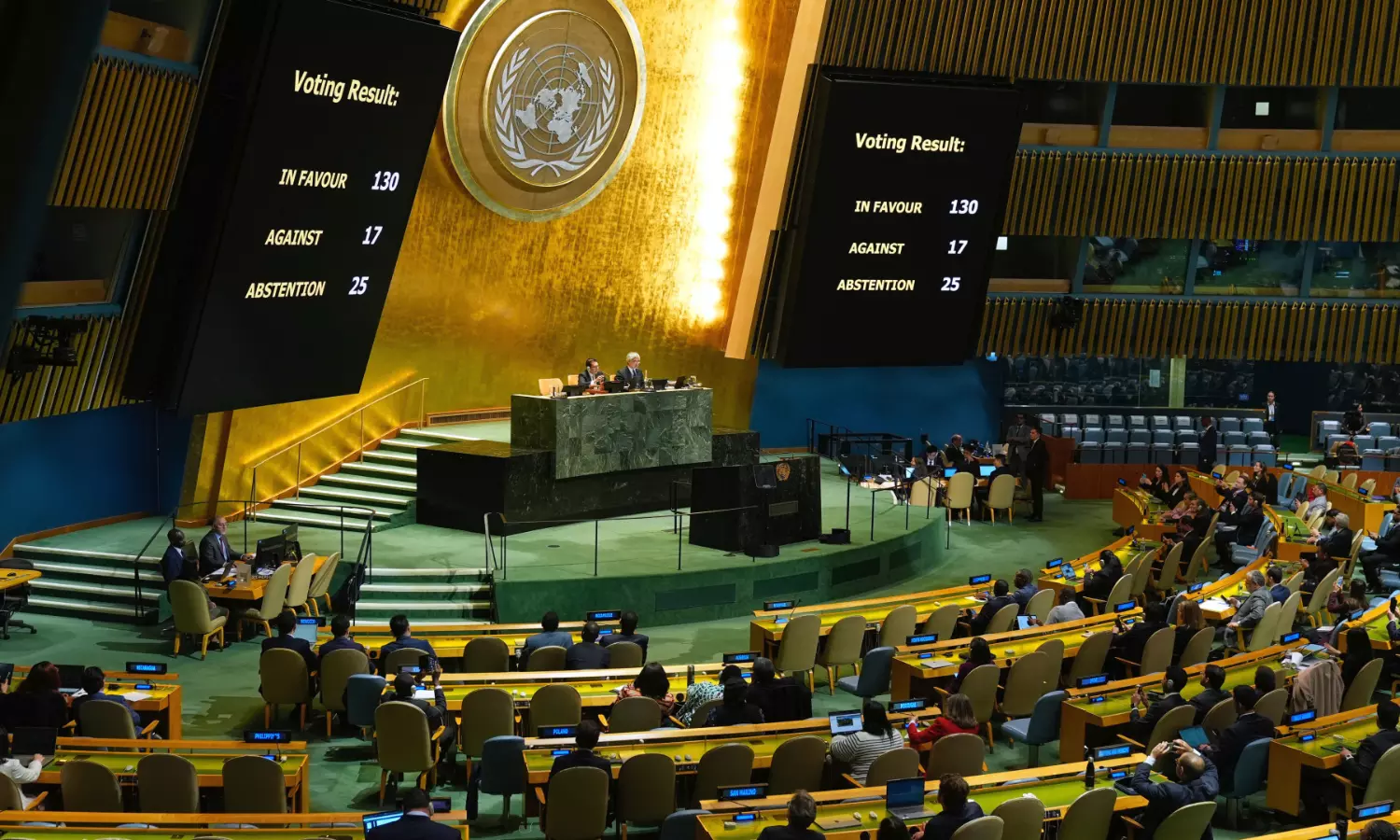
NEW DELHI: India has voted in favour of a United Nations General Assembly (UNGA) resolution calling for an end to the economic, commercial and financial embargo imposed by the United States on Cuba, reiterating that the restrictions should be lifted to enable the Caribbean nation to pursue its development aspirations.
The 193-member General Assembly adopted the resolution on October 28, with 130 countries voting in favour, 17 against and 25 abstaining. The United States and Israel were among the countries that voted against the resolution.
Delivering India's statement at the UN, Soumya Nair, Counsellor at India's Permanent Mission to the United Nations, said the General Assembly had repeatedly called for an end to the embargo and rejected laws and regulations with extraterritorial effects that adversely affect the sovereignty, progress and prosperity of other nations.
India reiterated the Assembly's call for all countries to refrain from introducing or applying such measures and to repeal or invalidate existing laws that are inconsistent with their obligations under the UN Charter and international law.
Nair said India's commitment to multilateralism was rooted in the belief that international challenges should be addressed through dialogue and diplomacy in accordance with the principles of the UN Charter.
She added that India hoped the embargo would be lifted at the earliest to create an environment in which the Cuban people could participate more fully in international cooperation and pursue their legitimate development aspirations.
Highlighting the humanitarian and economic consequences of the restrictions, India's representative cited a report by the UN Secretary-General, which noted that Cuba's healthcare system was facing shortages of more than 60 per cent of essential medicines. Food production in the country had also declined by over 50 per cent during the past five years.
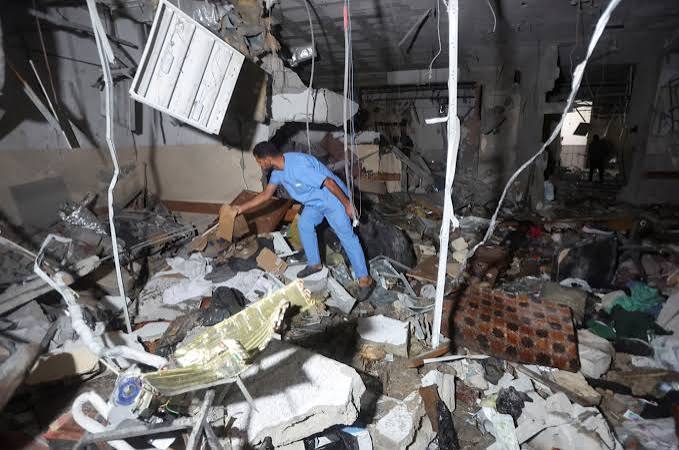
She further pointed out that restrictions on fuel exports had aggravated Cuba's ongoing energy crisis, disrupting essential services such as healthcare, education, water supplies, food distribution and transportation.
The latest vote, however, recorded a decline in international support for the resolution compared with the previous year. In 2025, 165 countries voted in favour, seven opposed it and 12 abstained. Several countries, including Germany and Italy, abstained in the latest vote after previously supporting the resolution.
The annual resolution carries diplomatic and political significance but is non-binding and cannot compel Washington to lift the embargo. The decision to end the restrictions rests with the US Congress.
The United Nations General Assembly has repeatedly adopted resolutions calling for an end to the US embargo on Cuba for more than three decades, making the issue a longstanding point of contention between Washington and Havana