Iran reports two oil tankers on fire in Strait of Hormuz amid rising tensions with US
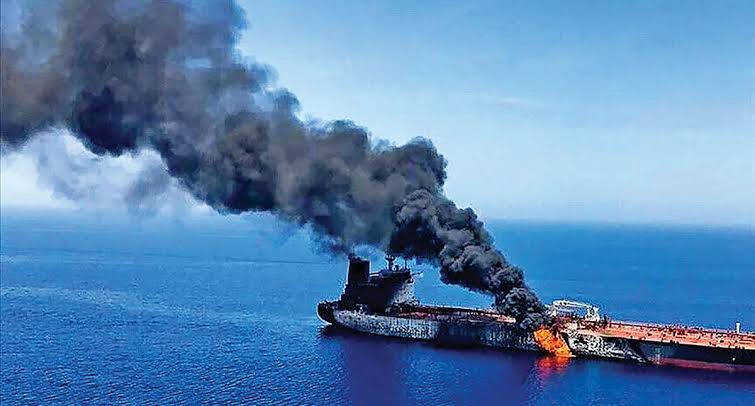
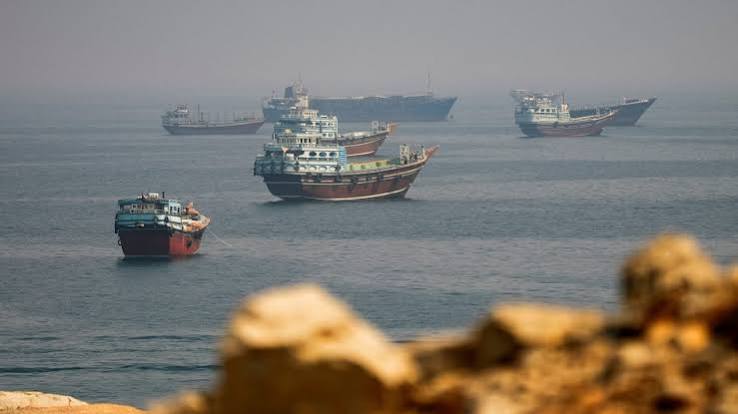
NEW DELHI: Two oil tankers have reportedly caught fire in the strategically important Strait of Hormuz after hitting mines, according to claims by Iran's Islamic Revolutionary Guard Corps (IRGC). The incident has raised fresh concerns over maritime security and the potential disruption of global oil supplies amid heightened tensions between Iran and the United States.
The reported incident has put the spotlight on the Strait of Hormuz, one of the world's most important energy shipping routes. A significant share of internationally traded crude oil and petroleum products passes through the narrow waterway, which connects the Persian Gulf with the Gulf of Oman and the Arabian Sea.
The IRGC Navy alleged that the vessels had switched off their navigation and identification systems and attempted to transit through a route that Tehran had not authorised. It further claimed that the ships were operating with US military support. However, Iranian authorities did not disclose the names, nationalities or ownership of the tankers, and details about the condition of their crews and possible casualties remained unavailable.
The claims could not be independently verified. The latest incident follows a series of reports of attacks and fires involving commercial vessels in and around the Strait of Hormuz in recent days. Iran has repeatedly warned shipping companies against using routes it considers unauthorised and has taken measures to restrict maritime movement through the waterway.
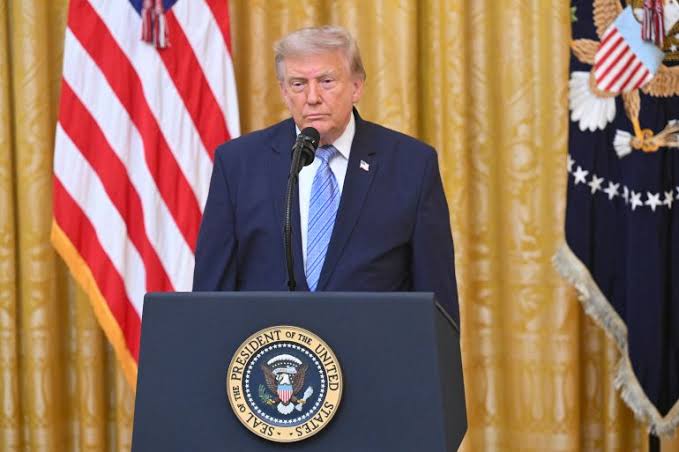
The developments come amid continuing confrontation between Washington and Tehran. US President Donald Trump has warned Iran to reach an agreement, saying the conflict could end soon, while Iranian Foreign Minister Abbas Araghchi has indicated that diplomatic discussions through mediators are continuing. Efforts are also underway to negotiate arrangements for reopening the Strait of Hormuz to commercial shipping.
The Strait of Hormuz is a critical passage for international energy trade, linking major oil-producing countries in the Persian Gulf with global markets. Any prolonged disruption to shipping through the narrow channel could affect crude oil supplies, increase transportation costs and add pressure on international energy prices.
The latest reports have therefore renewed concerns among energy markets and shipping operators over the safety of vessels navigating the region, with the situation likely to remain closely watched as diplomatic efforts continue.