Pakistan, Saudi Arabia and Turkey hold talks with Iran to avert renewed conflict
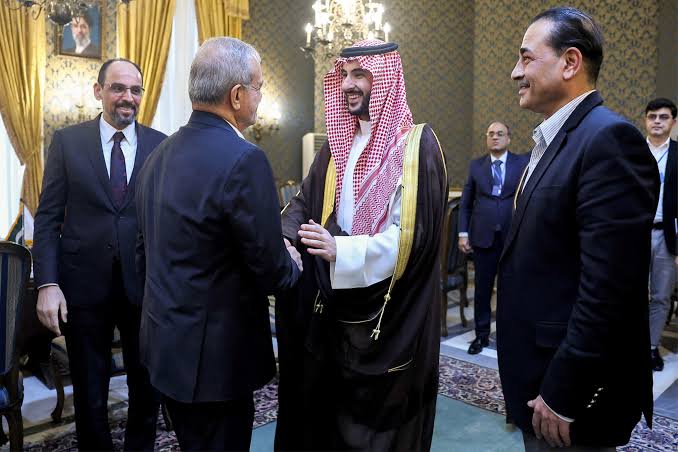
NEW DELHI: Senior officials from Pakistan, Saudi Arabia and Turkey held talks with Iranian leaders in Tehran on Monday to ease regional tensions and prevent a renewed escalation of the Middle East conflict. The meeting comes amid concerns over the possibility of fresh military confrontation involving Iran, the United States and Israel.
The high-level delegations included Saudi Defence Minister Prince Khalid bin Salman, Pakistan's Army Chief Field Marshal Asim Munir and Ibrahim Kalin, head of Turkey's intelligence service. They met Iranian officials, including President Masoud Pezeshkian and senior national security representatives, to discuss regional security and ways to strengthen diplomatic engagement.
According to reports, the discussions focused on preventing further military escalation, improving regional coordination and exploring diplomatic avenues to address the wider conflict. The continuing confrontation has also raised concerns over attacks on Saudi territory by Yemen's Iran-aligned Houthi movement and the security of critical infrastructure across the Gulf.
The talks marked a significant high-level engagement between Iran and the three countries since the regional conflict intensified. Pakistan has played a role in facilitating diplomatic contacts between Tehran and Washington, while Saudi Arabia and Turkey have sought to address growing security concerns across the region.
Iranian President Masoud Pezeshkian expressed support for agreements that could deepen cooperation among regional countries, resolve differences through dialogue and strengthen collective security. Turkish President Recep Tayyip Erdogan also warned that renewed attacks on Iran could destabilise the wider region and affect countries not directly involved in the conflict.
The four countries agreed to continue dialogue aimed at strengthening cooperation, particularly on regional peace and security. However, no details of a specific agreement or the timing of the next meeting were announced.
The diplomatic initiative comes as tensions remain high over the conflict involving Iran, the United States and Israel, with concerns about possible renewed hostilities and their implications for regional stability, energy supplies and international shipping.
The outcome of the talks could influence further diplomatic efforts to contain the conflict, although significant differences between the parties remain unresolved.