India calls for human-centric AI policy at United Nations
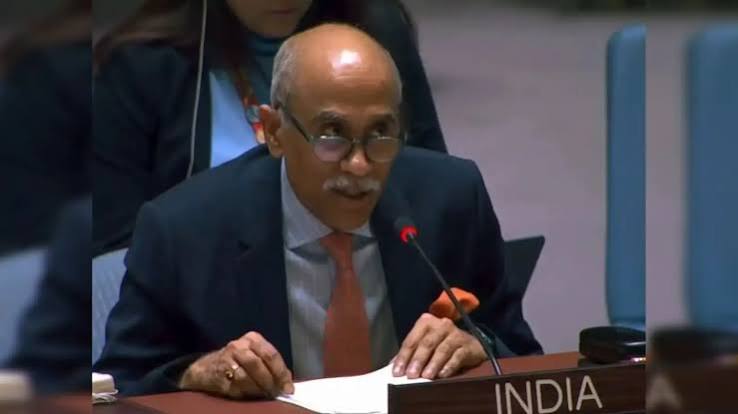
NEW DELHI: India has called for a human-centric, responsible and inclusive approach towards the use of artificial intelligence (AI) and other emerging technologies in conflict situations, emphasising that human judgement and oversight must remain central to decisions involving international peace and security.
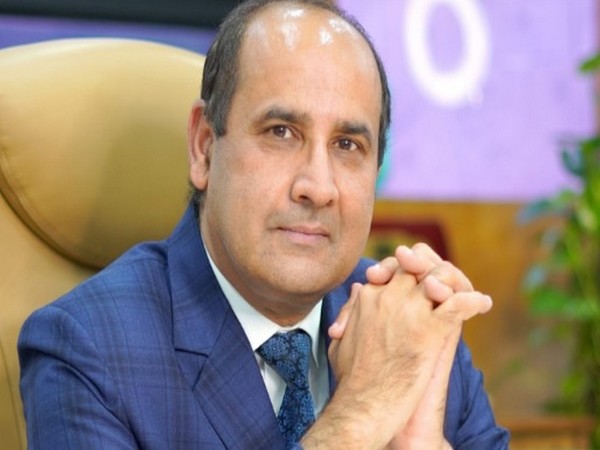
India's Permanent Representative to the United Nations, Ambassador Harish Parvathaneni, presented the country's position during a high-level United Nations Security Council open debate convened by Latvia on November 24. The discussion focused on the theme, "Conflict Resolution in an Era of Rapid Technological Change".
Addressing the Security Council, Parvathaneni said rapid technological advancements were fundamentally transforming the nature of conflicts and the international security environment. He noted that artificial intelligence, autonomous systems and emerging digital technologies offered significant opportunities but also introduced new vulnerabilities and risks.
The Indian envoy outlined four fundamental considerations to guide the international community in addressing the growing influence of emerging technologies.
First, he emphasised that technology must remain human-centric and serve as an instrument of peace. According to India's position, emerging technologies should support human-directed objectives rather than become an end in themselves.
Second, the application of technology in conflict situations must be responsible, respect national sovereignty and comply with international law. He stressed that human judgement and oversight must remain essential, particularly in decisions involving autonomous weapons systems. Responsibility for the use of such systems must always rest with humans.
Third, India highlighted the growing threat of artificial intelligence being misused by terrorist organisations and non-state actors. The envoy cautioned that incomplete, inaccurate or deliberately manipulated AI-generated information could undermine decision-making and create additional security challenges.
Fourth, he stressed that technological transformation must not deepen existing inequalities between developed and developing countries. India expressed concern over technology restrictions and export-control policies that could limit the participation of Global South countries in developing, regulating and deploying emerging technologies.
India also highlighted the positive role that emerging technologies could play in international peace and security.
Parvathaneni said AI-enabled analytical tools, satellite imagery and digital platforms could help the United Nations anticipate crises, strengthen early-warning mechanisms and improve responses to emerging conflicts.
He added that technological applications could support mediation efforts and enhance the safety and effectiveness of peacekeeping operations, while helping protect civilians and humanitarian personnel.
The Indian representative also referred to the importance of cybersecurity and the protection of critical information infrastructure, highlighting India's efforts to strengthen digital infrastructure and ensure continuity of essential civilian services.
During his address, Parvathaneni referred to the AI Impact Summit hosted by India in New Delhi in February 2026, describing it as an important initiative led by a country from the Global South.
He noted that the summit resulted in the New Delhi Declaration, endorsed by more than 90 countries. The declaration emphasised democratising access to AI resources, developing secure and trustworthy AI systems, investing in human capabilities and using technology for economic growth and social development.
India reiterated its support for inclusive international cooperation on technology governance through the United Nations, while taking into account the national priorities and developmental requirements of individual countries.
The Indian envoy also connected the issue of technological inequality with the broader need to reform multilateral institutions.
He emphasised that reform of the United Nations system, particularly the Security Council, including expansion of both permanent and non-permanent membership categories, was necessary to reflect contemporary international realities.
India has consistently advocated greater representation for developing countries in global decision-making institutions.
The Security Council debate also addressed broader international concerns about the increasing use of artificial intelligence in military operations.
United Nations Secretary-General António Guterres warned about the growing role of AI-enabled systems in military targeting and other critical functions. He reiterated the need for human control over decisions involving life and death and called for progress towards legally binding international rules governing lethal autonomous weapons systems.
The discussions highlighted the importance of establishing international safeguards to ensure that technological advancement does not undermine humanitarian principles or international law.
India's intervention reflects its broader approach towards responsible technology development, digital inclusion and greater participation of developing countries in international decision-making.
The growing use of AI in military, intelligence and civilian applications has created new policy challenges for governments and international institutions. While emerging technologies can improve crisis prevention, peacekeeping and information analysis, their misuse can create serious risks for international security.
India's emphasis on human oversight, national sovereignty, cybersecurity and equitable access highlights the need for a balanced international framework for AI governance.
For developing countries, the debate is particularly important because access to technology, infrastructure and technical expertise will influence their ability to participate in the emerging digital economy.
The broader message from India's intervention is that artificial intelligence should complement human capabilities, strengthen international cooperation and contribute to global peace rather than become a source of technological inequality or uncontrolled conflict.