Saudi Arabia faces oil supply pressure as pipeline outage, fresh attacks fuel global concerns
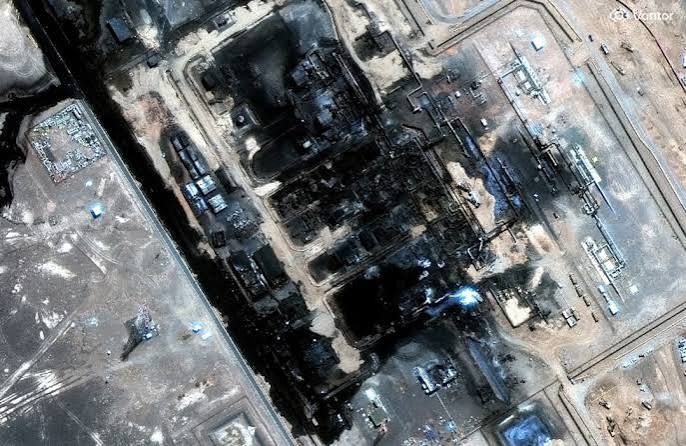
NEW DELHI: Saudi Arabia is facing growing pressure on its oil exports following attacks on critical energy infrastructure, raising concerns over global crude supplies and pushing international oil prices higher.
According to Reuters, oil prices rose nearly 2% on Tuesday after the kingdom's East-West oil pipeline was disrupted in attacks attributed to Iran-backed groups. The development has intensified fears of further supply disruptions amid escalating tensions in the Middle East.
East-West pipeline remains offline
Saudi Arabia's East-West pipeline, a crucial route for transporting crude oil from the Persian Gulf to the Red Sea port of Yanbu, remains out of service following the attacks.
The pipeline has the capacity to transport approximately 4 million barrels of oil per day, equivalent to around 4% of global oil supply. Its closure has raised concerns over Saudi Arabia's ability to maintain exports if repairs are delayed.
The pipeline provides Saudi Arabia with an alternative route that bypasses the strategically important Strait of Hormuz, where shipping risks have increased amid the wider regional conflict.
Oil prices climb amid supply concerns
Brent crude futures rose $1.87, or 1.77%, to $107.55 a barrel, while U.S. West Texas Intermediate crude increased $1.88, or 1.85%, to $103.27 a barrel, according to Reuters.
Market analysts said uncertainty over the duration of the pipeline outage and the security of oil shipping routes was supporting prices.
"Oil traders are treating every fresh attack or infrastructure hit as an incremental supply risk," said Tim Waterer, chief market analyst at KCM Trade, according to Reuters.
Middle East tensions add to pressure
The pipeline disruption comes as Iran-backed Houthi forces in Yemen launch fresh attacks on Saudi Arabia. A missile and drone attack targeted a military airbase in Khamis Mushait, while earlier attacks disrupted the East-West pipeline.
The Strait of Hormuz, a key global oil transit route, is also facing reduced vessel traffic. The waterway carried approximately one-fifth of global oil supplies before the escalation of the conflict, adding to concerns over the stability of international energy markets.
Global economic impact
A prolonged disruption to Saudi oil exports could put further upward pressure on crude prices, fuel costs and inflation worldwide. Oil-importing countries in Asia, Europe and Africa are particularly vulnerable to rising energy expenses.
Analysts are closely monitoring the timeline for restoring the East-West pipeline and developments in the Gulf region. Until greater clarity emerges, oil markets are expected to remain sensitive to further attacks and disruptions.