Dollar rises to two-month high as markets assess rate outlook and Iran tensions
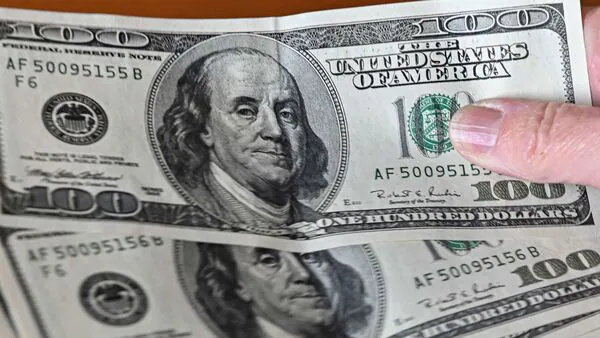
NEW DELHI: The US dollar remained close to its strongest level in two months on Wednesday as investors assessed the possibility of further interest-rate increases by major central banks amid persistent inflation concerns and geopolitical uncertainty linked to the conflict involving Iran. At the same time, easing oil prices and hopes of a diplomatic breakthrough in the Middle East introduced some volatility into currency markets.
The dollar's recent strength has been supported by expectations that central banks may maintain or further tighten monetary policy to contain inflation. Federal Reserve officials have indicated that additional rate increases could be required if inflation remains elevated, reinforcing expectations for higher US interest rates and supporting demand for the greenback.
The dollar index, which measures the US currency against a basket of six major currencies, stood at around 100.56 in early trading on Wednesday. The euro was trading at $1.1446, close to its weakest level since late July, while sterling was around $1.3337.
Oil prices have emerged as another important factor for currency and interest-rate markets. The conflict involving Iran has disrupted energy supplies and pushed crude prices higher, raising concerns that prolonged increases in energy costs could feed into broader inflation. However, oil prices have recently eased on expectations that diplomatic efforts could reduce supply disruptions and improve the outlook for global energy markets.
The movement in oil prices is particularly important for central banks because higher energy costs can increase inflationary pressure while also affecting household spending and business costs. A sustained decline in crude prices could reduce some of that pressure, whereas renewed disruptions could make it more difficult for policymakers to bring inflation back toward their targets.
Markets are also closely monitoring developments around the Strait of Hormuz and diplomatic contacts between the United States and Iran. Any progress toward reducing tensions could further ease concerns about energy supplies, while renewed disruption could put fresh upward pressure on oil prices and inflation expectations.
The combination of interest-rate expectations, oil-price movements and geopolitical developments is therefore keeping global currency markets volatile. Investors are expected to continue watching central-bank statements and developments in the Middle East for signals on the direction of inflation, interest rates and major currencies.