West Asia conflict widens as fighting spreads across region, raising concerns over global security
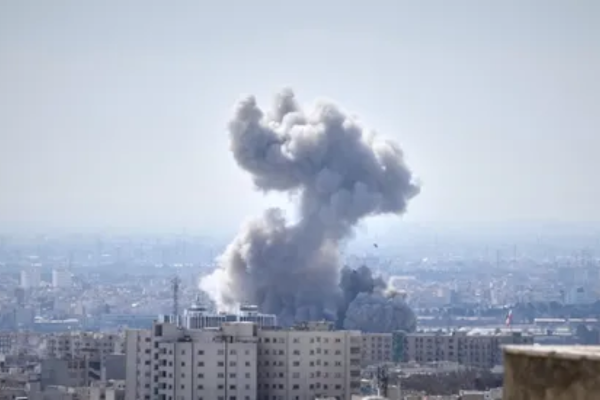
NEW DELHI: The conflict in West Asia has widened further, with hostilities involving Iran, Israel and the United States increasingly affecting several countries across the region and putting additional pressure on energy supplies and key international shipping routes. The escalation comes as diplomatic efforts continue alongside military operations, with the United States and Iran holding mediated talks on the sidelines of the United Nations General Assembly in New York.
The conflict has expanded beyond the immediate Iran-Israel theatre, with attacks and security threats reported across the Gulf and Red Sea regions. Iran has continued missile and drone operations, while Israel and the United States have carried out strikes against targets in Iran. Iran-aligned groups have also become increasingly active, adding to concerns about a wider regional confrontation.
The situation has placed Gulf countries on heightened alert. Saudi Arabia and other regional states have faced threats involving drones and missiles, while the security of vital maritime routes remains a major concern. The Strait of Hormuz continues to be a critical flashpoint because of its importance to global energy supplies. Saudi Arabia has also faced difficulties in using alternative routes for exporting oil as instability has spread to other parts of the region.
The Red Sea has emerged as another major area of concern. Iran-aligned Houthi forces have intensified their activities along Yemen's Red Sea coast, increasing risks to commercial shipping through the Bab el-Mandeb Strait. The escalation has prompted European countries to consider additional naval deployments to protect maritime traffic. Italy has called for a stronger naval presence in the Red Sea, while the EU has said its existing Aspides mission requires additional ships to respond to the growing threat.
The expanding conflict is also creating wider economic risks. Disruptions around the Strait of Hormuz and the Red Sea threaten the movement of oil, gas and other commodities between Asia, the Middle East and Europe. The possibility of prolonged disruptions has kept energy markets and international shipping under pressure, with higher transportation and insurance costs adding to concerns about inflation and global supply chains.
The crisis has also triggered increasing diplomatic activity. At the UN General Assembly in New York, Gulf countries have called for an end to hostilities and greater regional security cooperation. The United States and Iran have engaged in mediated discussions aimed at exploring a possible path towards ending the war and reopening the Strait of Hormuz, although significant differences remain between the two sides.
Russia has also continued to oppose further escalation and has called for diplomatic engagement. Moscow's position has included criticism of US and Israeli military action against Iran and calls for dialogue involving regional countries and the international community.
The conflict has also spilled into Yemen, where fighting between Iran-aligned Houthi forces and Saudi-backed Yemeni government forces has intensified around strategically important areas on the Red Sea coast. The renewed fighting has added another layer to the regional crisis and increased humanitarian and displacement concerns.
The latest developments have therefore transformed the conflict from a largely Iran-Israel confrontation into a broader regional security crisis involving the Gulf, Yemen and major maritime corridors. While diplomatic contacts continue at the UN, the continuing military exchanges and threats to commercial shipping remain major concerns for regional stability and the global economy.