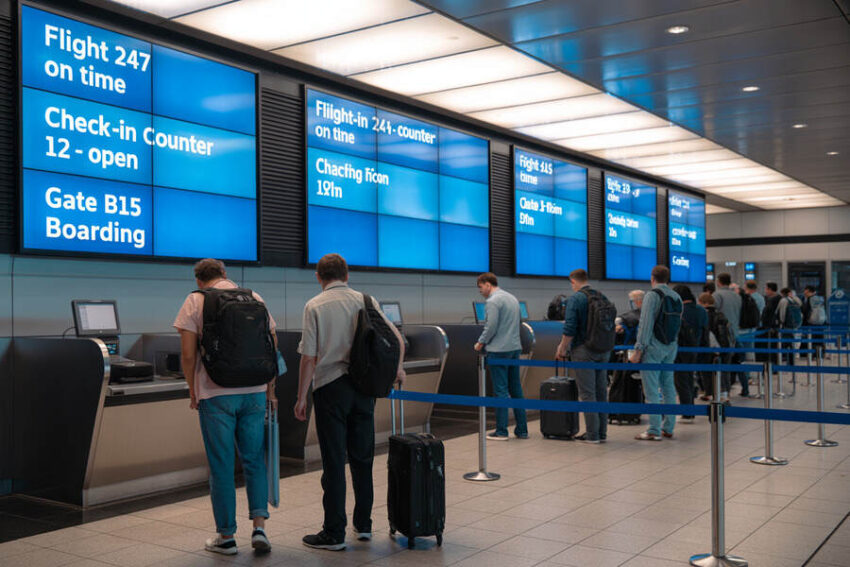
Over 700 flights cancelled worldwide as Middle East airspace closures disrupt global travel
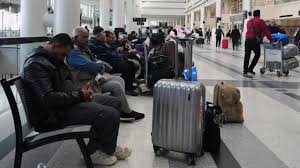
NEW DELHI: Global air travel faced massive disruption after multiple Middle Eastern countries shut their airspace amid escalating military tensions in the region, forcing airlines to cancel more than 700 flights and reroute hundreds of others. The crisis has severely impacted routes connecting India, the UAE and major international aviation hubs, leaving thousands of passengers stranded and triggering cascading delays across continents.
Airlines were compelled to suspend operations over key air corridors considered among the busiest in the world, as safety concerns grew following missile and drone activity in the region. Flights operating between Asia and Europe were the worst affected, with aircraft either grounded at origin airports or diverted mid-journey to alternative destinations.
Indian carriers reported significant disruption on services to the Gulf, North America and Europe, while major international airlines cancelled or rescheduled flights to and from cities such as Dubai, Doha and Abu Dhabi. Several long-haul flights were forced to take longer routes, increasing travel time, fuel costs and operational pressure on carriers.
Airports in the Gulf witnessed chaotic scenes as transit passengers were stranded due to missed connections, while airlines activated contingency plans, including accommodation for travellers, flexible rescheduling and ticket waivers.
Aviation authorities said the airspace closures were a precautionary measure to ensure civilian safety, but warned that continued tensions could lead to prolonged disruption of global flight networks. The situation has also pushed up airfares on unaffected routes and tightened seat availability on key sectors.
With the Middle East serving as a critical bridge between East and West for international aviation, industry experts cautioned that any extended shutdown could have a ripple effect on global travel, trade and cargo movement in the coming days.