US dollar falls as Treasury bond strategy raises investor concerns
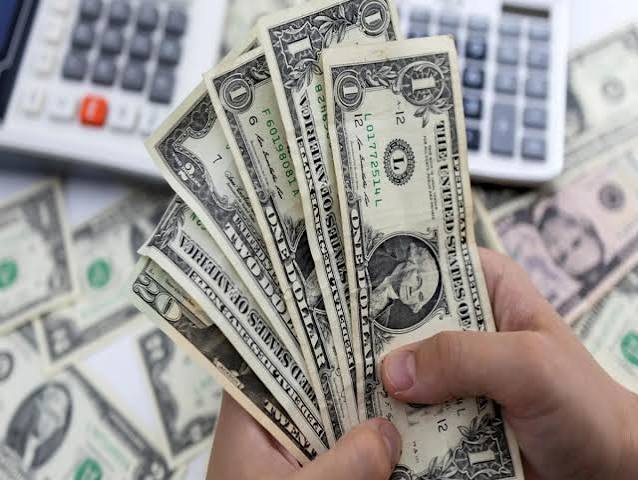
NEW DELHI: The US dollar weakened on Friday and was on track for a weekly decline, as investors questioned whether the US Treasury’s expanded bond-buyback programme can effectively address rising borrowing costs and concerns over the country’s fiscal position. The dollar index fell nearly 0.94% to 98.72, close to a three-month low.
The weakness followed the Treasury Department’s decision to increase its purchases of longer-term government debt. Treasury Secretary Scott Bessent has indicated that the government could increase buybacks further in an effort to bring down long-term borrowing costs and stabilise the Treasury market.
However, investors remain cautious about the strategy. The Treasury announced that it would at least double buybacks of 10- to 30-year debt to $4 billion per operation, but analysts argue that the programme is relatively small compared with the overall size of the US government bond market. Concerns have also grown that intervention in the bond market could undermine confidence in US fiscal policy and place additional pressure on the dollar.
The dollar’s decline has also supported other assets. Gold prices climbed to a near three-month high, benefiting from the weaker dollar and continued uncertainty in financial markets.
Markets are now closely watching the Federal Reserve’s upcoming Jackson Hole symposium, where investors are looking for clues about the future direction of US interest rates. The dollar’s outlook could remain under pressure if investors continue to question US fiscal policy or expect changes in monetary policy.
The developments highlight growing sensitivity in global markets to US borrowing costs, government debt and fiscal policy. A sustained decline in the dollar could have wider consequences for international currencies, commodities and financial markets.