US launches fresh strikes on Iran as Tehran closes Strait of Hormuz and escalates regional tensions
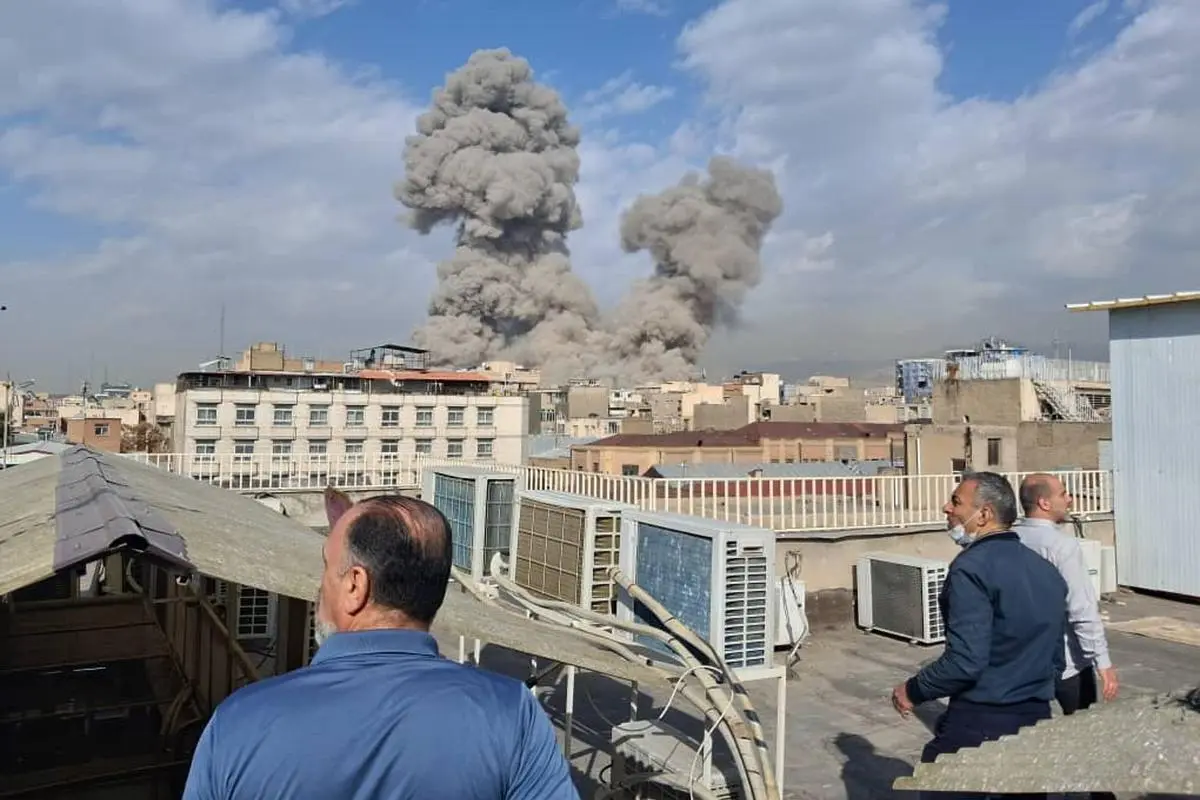
NEW DELHI: Tensions in the Middle East have surged dramatically after the United States launched a fresh wave of airstrikes on Iranian military targets, prompting Tehran to announce the complete closure of the strategically vital Strait of Hormuz and launch retaliatory attacks on US military installations across the Gulf region.
The latest escalation follows the downing of a US Army Apache helicopter near the Strait of Hormuz, an incident that US President Donald Trump blamed on Iran. Following the attack, Trump warned that Iran would face a severe military response if it failed to agree to a peace deal. US Defense Secretary Pete Hegseth subsequently confirmed that American forces had been ordered to strike key Iranian military facilities.
According to US Central Command (CENTCOM), the strikes targeted multiple Iranian military assets, including radar installations, air-defense systems, ports and strategic infrastructure near the Strait of Hormuz. Washington described the operation as a “self-defence” action aimed at protecting American personnel and ensuring freedom of navigation in the Gulf.
In retaliation, Iran announced the closure of the Strait of Hormuz to all vessels, including commercial ships and oil tankers. Iranian military authorities warned that any vessel attempting to transit the waterway would be considered a target and could face military action. The Strait of Hormuz is one of the world's most important energy chokepoints, handling a significant portion of global oil and liquefied natural gas shipments.
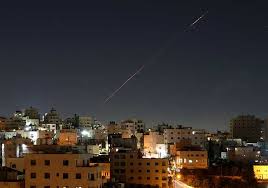
Iran's Islamic Revolutionary Guard Corps (IRGC) also claimed responsibility for missile and drone attacks on US military bases in Bahrain, Kuwait and Jordan. Iranian officials said the attacks were carried out in response to what they described as repeated US violations of regional stability and sovereignty. While most of the incoming missiles and drones were reportedly intercepted, the attacks marked one of the most serious direct confrontations between Tehran and Washington in recent months.
The US military, however, rejected Iranian claims that American naval vessels had been struck in the Strait of Hormuz. CENTCOM stated that none of its warships sustained damage and that commercial maritime traffic continued to move through parts of the waterway despite Tehran's declaration.
President Trump defended the military action, stating that Iran had "taken too long to negotiate" and warning that further attacks could follow if Tehran continued to resist diplomatic efforts. At the same time, US officials indicated that channels for negotiations remain open and that Washington is not seeking a full-scale war with Iran.
The latest confrontation threatens to further destabilize the Middle East, disrupt global energy supplies and drive up oil prices. Analysts warn that prolonged disruption in the Strait of Hormuz could have significant consequences for international trade and energy markets, given the waterway's critical role in global petroleum exports.
Diplomatic efforts led by regional and international actors are continuing, but the sharp escalation has raised fears of a broader regional conflict involving multiple countries and armed groups across the Gulf and the wider Middle East.