World trade faces growing pressure from geopolitical tensions and tariff uncertainty
NEW DELHI: Global trade is navigating a period of heightened uncertainty as conflicts in the Middle East and Ukraine, changing US tariff policies and broader concerns over the global economy continue to affect international commerce and supply chains.
The World Trade Organization (WTO) has warned that geopolitical tensions and growing trade-policy uncertainty are putting increasing pressure on the rules-based global trading system. Its latest World Trade Report said the multilateral trading system is at a critical juncture, with geopolitical rivalry, government interventions, technological competition and supply-chain concerns creating new challenges for international trade.
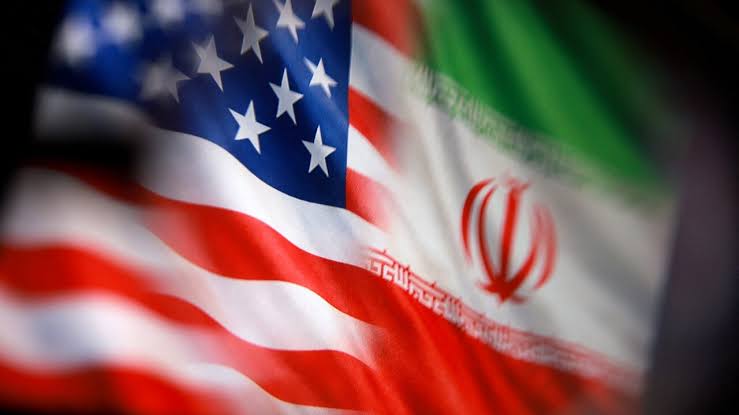
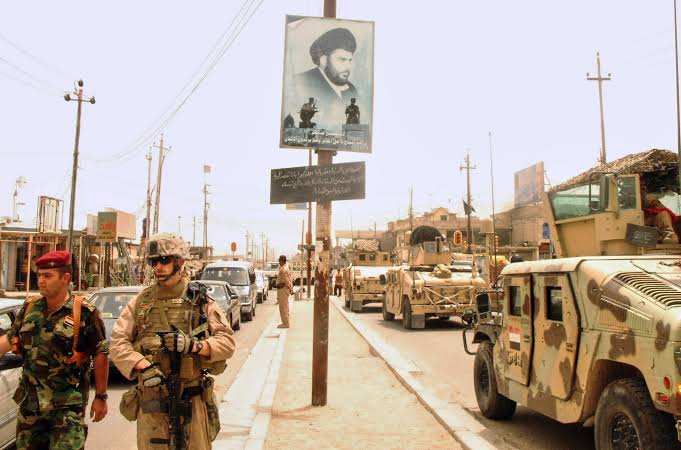
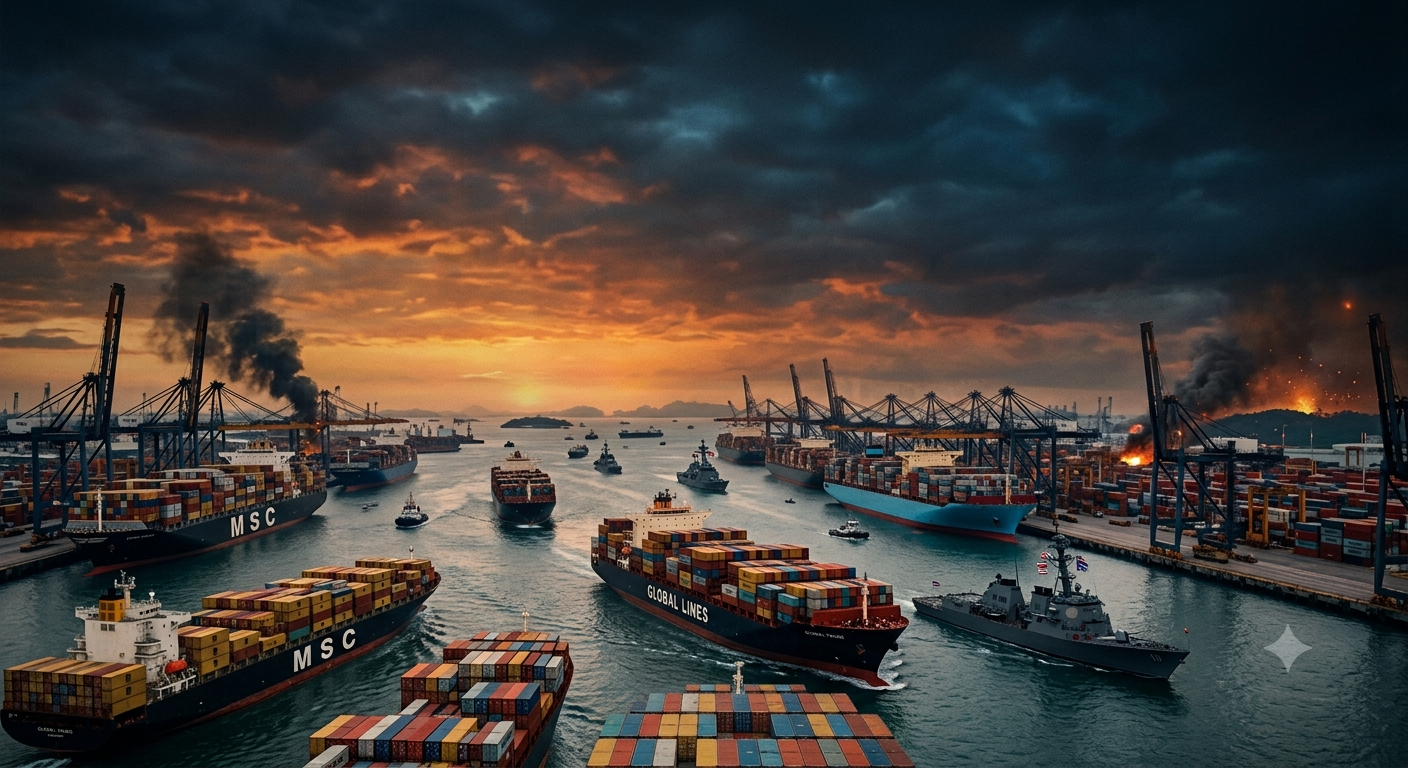
The conflict in the Middle East has emerged as an important source of pressure on global trade, particularly because of its impact on energy supplies and shipping routes. Disruptions around the Strait of Hormuz have raised concerns over the movement of crude oil and other commodities, while higher energy prices are increasing costs for manufacturers, transport companies and consumers.
Oil prices have remained elevated as the conflict continues. Reuters reported on Wednesday that Brent crude was trading above $103 a barrel, with prices supported by geopolitical risks and uncertainty over future supplies from the region.
The disruption to energy markets has implications well beyond the Middle East. Higher fuel and transportation costs can increase the expense of moving goods across borders and put additional pressure on inflation in major economies. Shipping companies and businesses dependent on energy-intensive production are also having to account for greater volatility in operating costs.
The war in Ukraine remains another major factor affecting international trade. The prolonged conflict has continued to influence energy markets, agricultural commodity flows and investment decisions, while uncertainty over the security of supply routes has encouraged some businesses and governments to reconsider their dependence on particular markets.
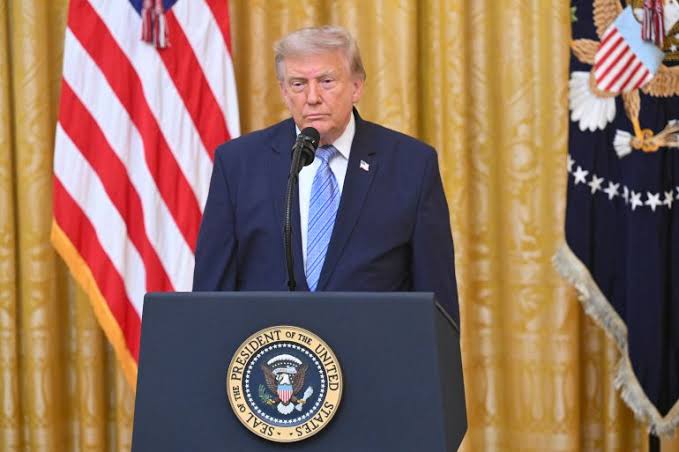
At the same time, changes in US trade policy are adding another layer of uncertainty. Washington has continued to use tariffs and trade measures as part of its economic policy, prompting trading partners to negotiate new arrangements and assess alternative sources of imports and exports.
The United States and China recently agreed to pursue reciprocal tariff reductions covering about $60 billion worth of goods, while extending their trade truce for two months to allow further negotiations. However, several important trade issues remain unresolved, and some major products, including US soybeans, were excluded from the latest tariff arrangements.
The changing tariff environment is encouraging companies to reassess their global supply chains. Businesses that previously relied heavily on a small number of countries for manufacturing, components or raw materials are increasingly looking at diversification and alternative suppliers. This process could reshape established trade routes and production networks over the coming years.
Despite these pressures, global merchandise trade has shown resilience during 2026. The WTO's Goods Trade Barometer released earlier this month recorded a reading of 102.0, above its baseline of 100, indicating that goods trade remained above its recent trend despite geopolitical and policy uncertainties. Strong demand for electronic components, particularly products linked to artificial intelligence investment, has helped offset some of the negative effects of geopolitical disruptions.
However, the WTO expects the impact of disruptions around the Strait of Hormuz to become more visible in trade data as figures for the second quarter are incorporated. Its March 2026 outlook projected world merchandise trade volume growth of 1.9% for 2026 under its baseline scenario, compared with 1.4% under a high-energy-price scenario.
Financial markets are also reflecting the wider uncertainty. Global bond markets have experienced significant volatility, while higher energy prices have contributed to concerns about inflation and borrowing costs. Reuters reported that US 10-year Treasury yields reached their highest level since 2007 during September, highlighting the pressure facing global financial markets.
The WTO has also warned about the longer-term consequences of geopolitical fragmentation. Its 2026 World Trade Report estimates that a scenario in which the global trading system breaks into geopolitically aligned blocs could reduce global GDP by 5.1% and global exports by 18.6% compared with a more integrated trading environment. These figures are scenario estimates rather than forecasts of an expected outcome.
For businesses, the current environment means that geopolitical developments are increasingly becoming an important part of trade planning. Energy prices, tariffs, shipping disruptions, sanctions and access to critical raw materials can all affect production costs and the movement of goods.
The coming months are therefore likely to remain important for the global trading system, particularly as governments seek to balance national economic and security priorities with the benefits of international trade. While global commerce has remained relatively resilient so far, continued geopolitical conflicts and uncertainty over trade policies are creating a more complex environment for businesses and governments worldwide.