BRICS adopts New Delhi Declaration amid global tensions
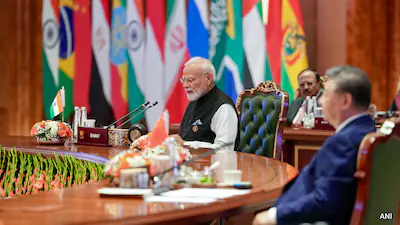
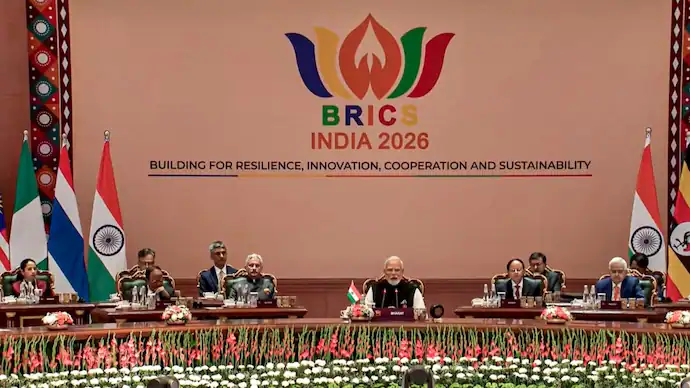
NEW DELHI: The 18th BRICS Summit in New Delhi has adopted the New Delhi Declaration, bringing together member countries around a common position on international peace, multilateral cooperation, global economic governance and the challenges facing the Global South. The declaration comes as conflicts in the Middle East and Ukraine, trade tensions and debates over the international financial system dominate the global agenda.
Hosted by Prime Minister Narendra Modi, the summit brings together leaders of major emerging economies, including Chinese President Xi Jinping, Russian President Vladimir Putin and Iranian President Masoud Pezeshkian. The meeting is significant for India’s diplomatic engagement with major global powers and its efforts to strengthen the voice of developing nations in international institutions.
BRICS nations call for restraint in Middle East conflicts
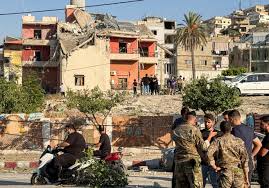
The New Delhi Declaration expresses deep concern over escalating conflicts in the Middle East and calls for maximum restraint. BRICS leaders stressed the importance of resolving disputes through dialogue, consultation and diplomacy, while highlighting the need to protect civilians and critical infrastructure.
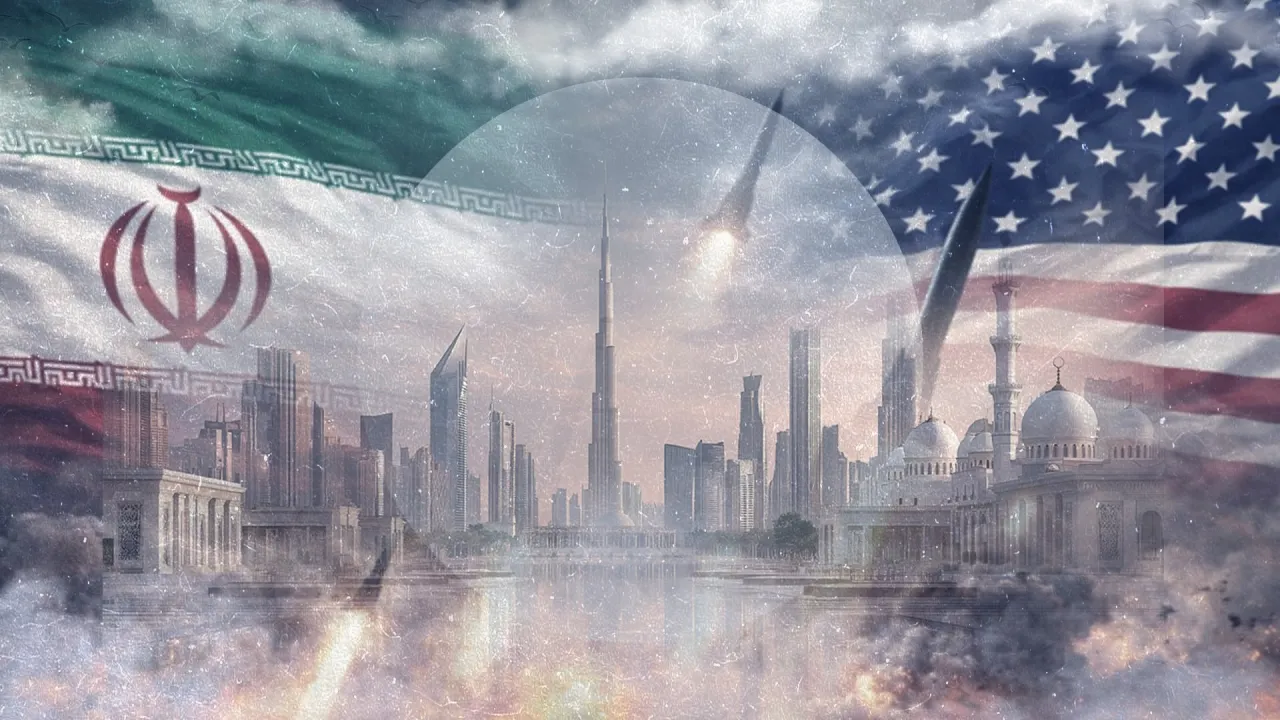
The issue is particularly important because the expanded BRICS grouping includes countries with differing positions on regional conflicts, including Iran and the United Arab Emirates. Reaching a common declaration demonstrates diplomatic engagement, although differences within the bloc remain.
India pushes for reforms in global governance
Prime Minister Narendra Modi has called for urgent reforms in the United Nations Security Council and other international institutions to reflect contemporary global realities. India has advocated greater representation for developing countries and a more inclusive international decision-making system.
Modi has also emphasized that BRICS is not an anti-Western grouping, but a platform for cooperation, inclusive development and a stronger voice for the Global South. The summit highlights India’s effort to balance relationships with the United States, Russia, China and other major powers.
Modi and Putin discuss trade, defence and energy cooperation
Prime Minister Narendra Modi held talks with Russian President Vladimir Putin on the sidelines of the summit. The discussions covered bilateral relations, trade, defence, energy, critical minerals, fertilizers and other areas of strategic cooperation. Both leaders also discussed global and regional issues, including the Ukraine conflict.
India reiterated its position that conflicts should be resolved through dialogue and diplomacy. The talks also explored a roadmap to increase India–Russia bilateral trade to $100 billion by 2030, alongside deeper cooperation in manufacturing, railways and nuclear energy.
Xi Jinping’s visit marks important India–China engagement
Chinese President Xi Jinping’s arrival in New Delhi for the BRICS Summit marks his first visit to India in seven years. His participation is being closely watched amid efforts to improve India–China relations following tensions along their disputed Himalayan border.
The summit provides an opportunity for both countries to engage on bilateral relations, trade and broader international cooperation. At the same time, differences over security, economic interests and global strategic priorities continue to shape the relationship.
BRICS raises concerns over unilateral tariffs and sanctions
The declaration also reflects BRICS’ concerns about unilateral tariffs and non-tariff measures that members say distort international trade. The grouping has called for a fairer and more inclusive global economic system, including stronger cooperation among developing economies.
Economic cooperation, local-currency trade, cross-border payment systems and reducing dependence on Western financial structures remain important themes in the expanded BRICS agenda. These discussions are aimed at strengthening economic resilience and improving cooperation among member countries.
India highlights terrorism and international security
Counterterrorism is another key priority at the summit. BRICS discussions have included opposition to terrorism in all its forms, stronger international cooperation and the need to address terrorism financing and safe havens. India has also sought international recognition of the Pahalgam terror attack in the BRICS declaration.
The summit also addresses maritime security, freedom of navigation and the safety of seafarers, particularly in view of conflicts affecting important shipping routes and global trade.
Why the summit matters
The 2026 BRICS Summit comes at a time when emerging economies are seeking a greater role in shaping international institutions and global economic policies. India’s chairship gives New Delhi an opportunity to promote reforms in global governance, strengthen South–South cooperation and encourage practical initiatives in trade, technology, energy and sustainability.
The summit also tests BRICS’ ability to maintain unity despite differences among its expanded membership. The adoption of a joint declaration demonstrates a degree of consensus on key international issues, while the differing positions of member states on conflicts and economic policies remain a challenge for the grouping