Iran expands missile and drone attacks across the Middle East
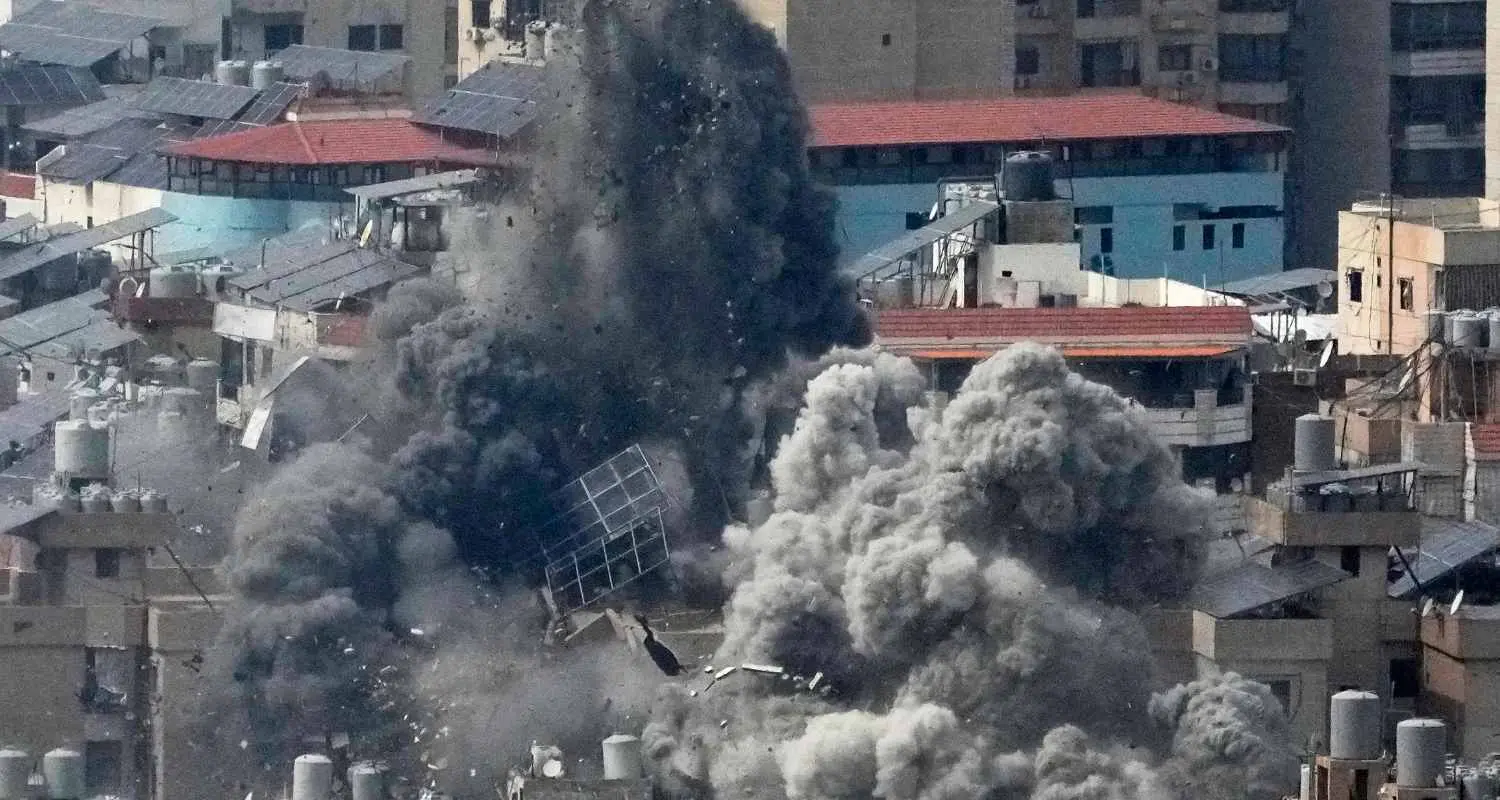
NEW DELHI: Iran has significantly expanded its missile and drone offensive across the Middle East, launching a new wave of attacks targeting several Gulf countries, including the United Arab Emirates, Saudi Arabia and Bahrain. The escalation marks one of the most serious regional military confrontations in recent years and has heightened fears of a wider conflict involving multiple countries.
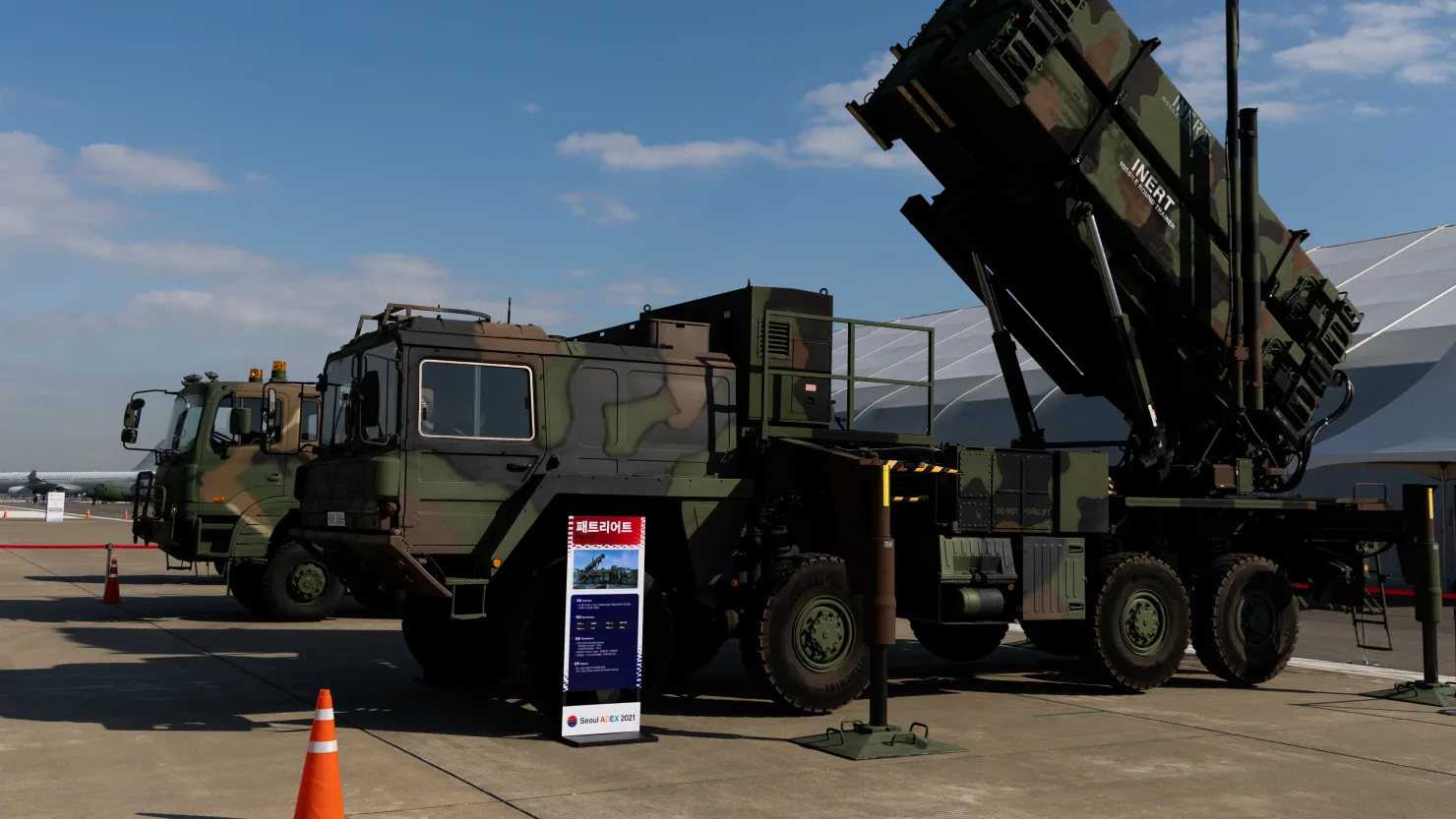
According to regional reports, Iranian forces fired ballistic missiles and deployed large numbers of drones toward Gulf states, prompting immediate responses from air defence systems across the region. Several missiles and drones were intercepted by defence systems in the UAE, Saudi Arabia, Kuwait and Qatar, while air-raid sirens and emergency alerts were activated in several cities, including Dubai and Manama, urging residents to take shelter.
Military officials in Saudi Arabia said their air defence units successfully shot down multiple drones approaching eastern regions of the country. Qatar reported intercepting several missiles and drones aimed at its territory, while Kuwait said its forces destroyed missiles and unmanned aerial vehicles that entered its airspace. Despite many interceptions, some debris reportedly fell in residential areas, causing minor damage and injuries.
In addition to the Gulf strikes, Iran’s Islamic Revolutionary Guard Corps confirmed that it targeted a United States military installation at the Al-Harir air base in Iraq’s Kurdistan region with several missiles. The attack was described by Tehran as a response to ongoing military operations against Iran by the United States and Israel.
Iranian officials have warned that the attacks are part of a broader strategy and may continue. Iran’s foreign minister said Tehran is prepared to sustain military operations for as long as necessary and declared that negotiations with the United States are “no longer on the agenda” under the current circumstances.
The escalation follows earlier U.S. and Israeli strikes on Iranian military and nuclear-related facilities, which triggered retaliatory attacks by Iran and allied militias across the region. Since the conflict began in late February, hundreds of missiles and thousands of drones have reportedly been launched toward Gulf states, with most intercepted by regional air defence systems.
The growing confrontation has raised international concern about the stability of the Middle East and its impact on global energy supplies. With many of the attacks occurring near critical oil infrastructure and shipping routes, analysts warn that further escalation could disrupt global oil markets and trade, especially if tensions spread around the Strait of Hormuz, a key energy corridor.