Strait of Hormuz crisis threatens global food and energy supply chains, warns UN
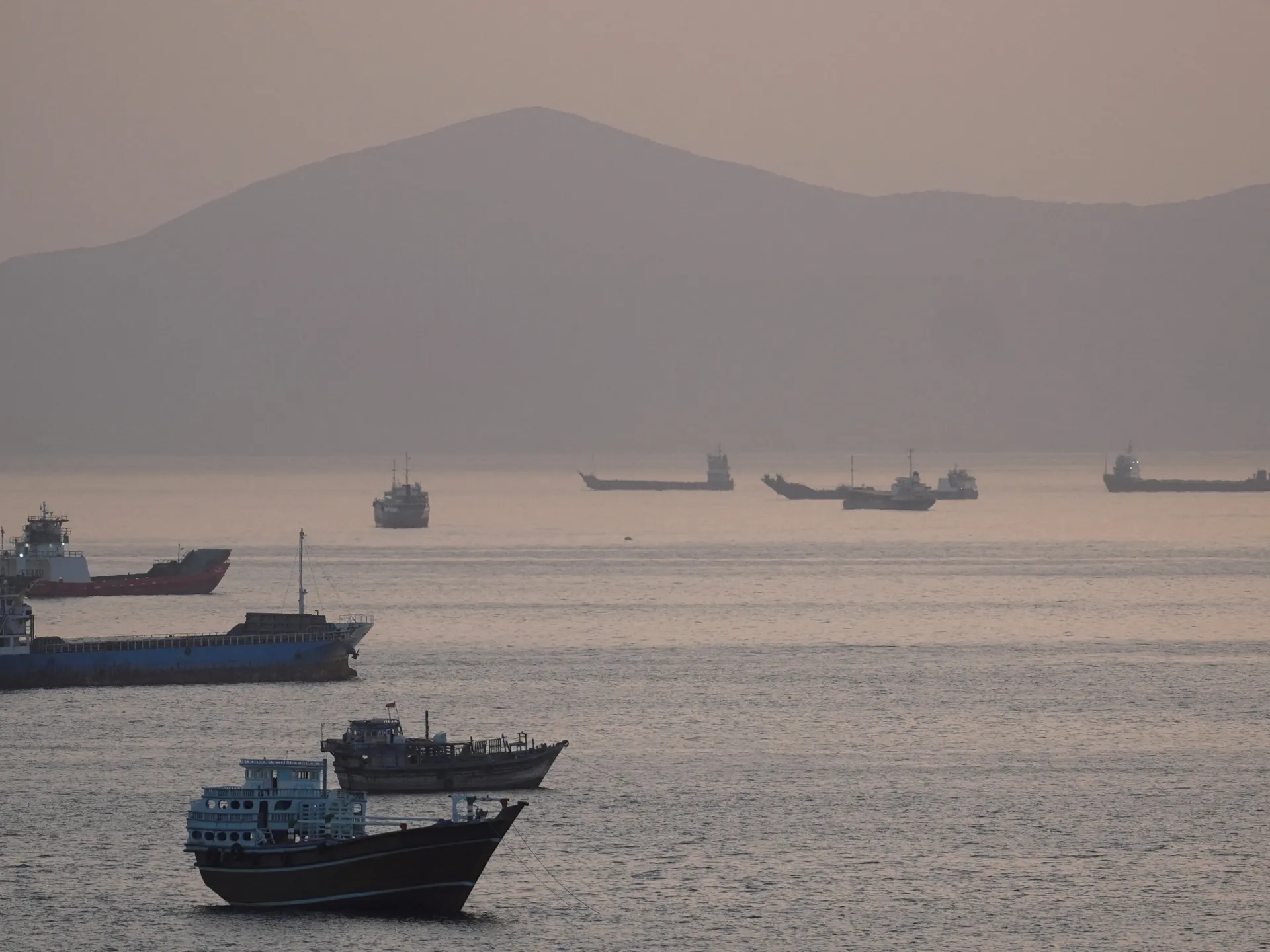
NEW DELHI: Escalating tensions in the Middle East are continuing to disrupt critical global shipping routes through the Strait of Hormuz, raising concerns over energy security and fertilizer supplies worldwide. The United Nations has warned that prolonged disruptions could trigger severe food insecurity in vulnerable regions dependent on imported fertilizers and fuel.
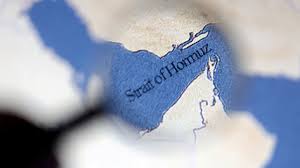
The Strait of Hormuz, one of the world’s most strategic maritime corridors, handles a major share of global oil and liquefied natural gas shipments. Ongoing instability in the region has increased shipping risks, delayed cargo movement, and pushed up transportation and insurance costs.
According to international agencies, fertilizer exports from the Gulf region have also been affected, threatening agricultural production and food supply chains across Asia, Africa, and parts of Europe. Rising fuel and input costs are expected to further intensify global inflationary pressures.
The UN cautioned that if commercial shipping continues to face restrictions or prolonged delays, millions of people could face worsening food shortages, especially in import-dependent developing nations.
Global markets remain volatile as governments monitor the evolving situation and explore alternative trade and supply routes.