US announces toughest sanctions yet against Iran
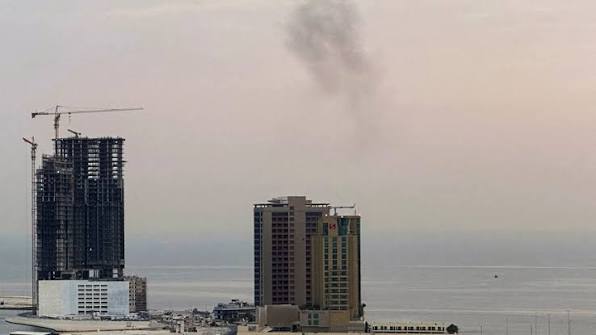
NEW DELHI: The United States is preparing to impose what Treasury Secretary Scott Bessent has described as the “toughest sanctions in history” against Iran, marking a major escalation in Washington’s economic campaign against Tehran. The announcement comes as the nearly six-month-old U.S.-Iran conflict continues to disrupt regional trade and energy supplies, particularly around the strategically important Strait of Hormuz.
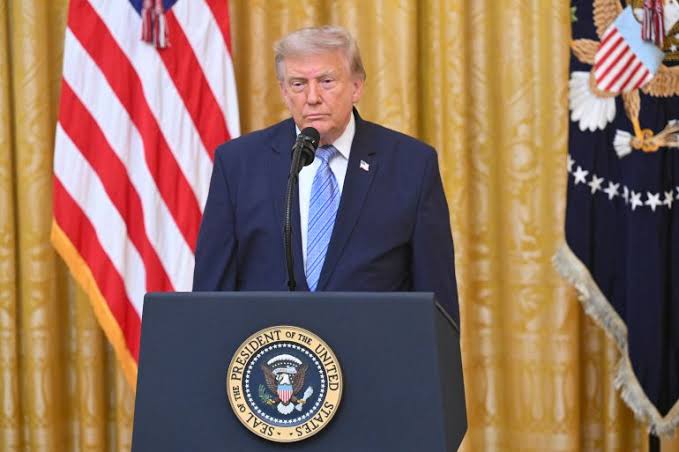
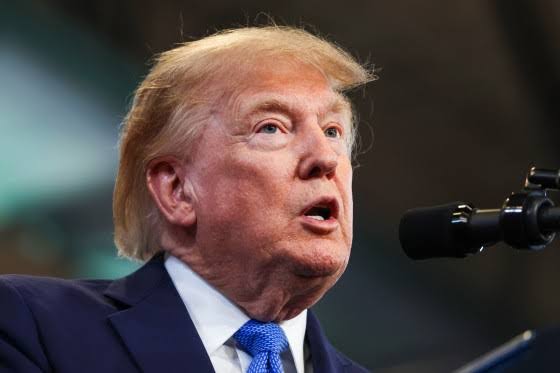
President Donald Trump has warned that the United States will pursue an “economic D-Day” against Iran and has threatened severe economic consequences for countries, companies and financial institutions that continue providing Tehran with what Washington considers an economic lifeline. The administration has indicated that the new measures are intended to isolate Iran financially and reduce its ability to fund its economy and sustain the conflict.
Bessent said the new sanctions would form part of a broader strategy of maximum economic pressure. He indicated that the United States wants the pressure to force Iran back toward negotiations while avoiding the need for a major new military escalation. He is expected to provide further details of the measures at a Treasury Department press conference on Monday.
Iran rejects US pressure
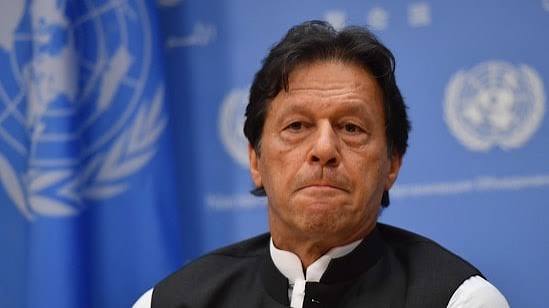
Iran has strongly rejected Washington’s latest move, describing the sanctions as “economic terrorism” and arguing that such measures primarily hurt ordinary Iranians rather than forcing the government to change its policies. Iranian officials have maintained that Tehran will not surrender to U.S. economic pressure.
The latest confrontation follows years of U.S. sanctions against Iran. Washington has previously targeted Iran’s oil industry, financial institutions, shipping networks and other economic sectors. The Trump administration is now considering expanding the pressure to foreign entities that continue to trade with or support Iran.
China faces pressure
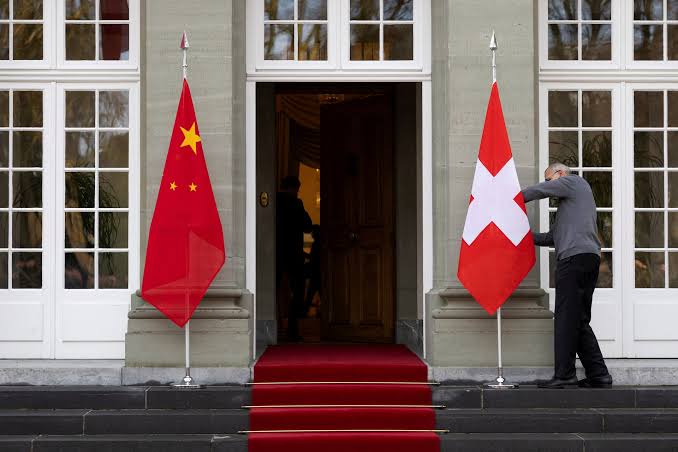
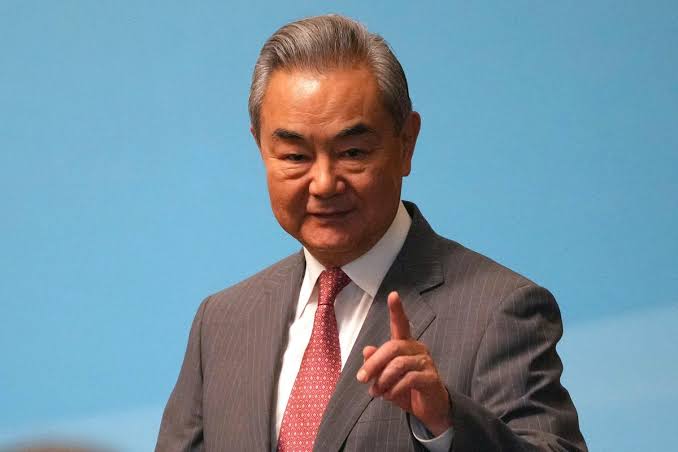
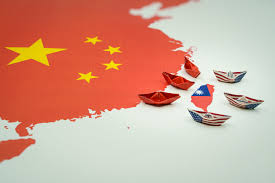
The U.S. campaign could also increase tensions with China, which remains a major buyer of Iranian oil. Bessent urged Beijing to cooperate with Washington, while declining to say publicly whether Chinese companies could be targeted by secondary sanctions. Any direct action against Chinese businesses could create another major economic dispute between Washington and Beijing.
Strait of Hormuz remains central
The economic confrontation is closely linked to the Strait of Hormuz, a critical route for global oil shipments. Continued disruption in the waterway has contributed to uncertainty in international energy markets and pushed oil prices higher. Reuters reported that oil prices reached a more than three-week high following the latest U.S. threats.
The prolonged disruption has also increased concerns about inflation and fuel costs in countries that depend heavily on Middle Eastern energy supplies. Global markets are closely watching whether the latest U.S. measures will lead to renewed negotiations or further escalation between Washington and Tehran.
Global economic impact
The latest sanctions announcement comes at a sensitive time for the global economy. Higher energy prices could increase transportation and production costs and make it harder for central banks to control inflation. Financial markets are therefore monitoring developments in the Middle East alongside concerns over global interest rates and economic growth.
For Washington, the strategy represents a shift toward intensified economic pressure at a time when further military escalation carries significant risks. For Tehran, the challenge is to maintain economic activity and international trade despite increasing restrictions. The coming weeks could determine whether the new sanctions push Iran toward negotiations or deepen the confrontation.


.jfif)