Nepal-Tibet floods: death toll reaches 750, over 3,000 missing
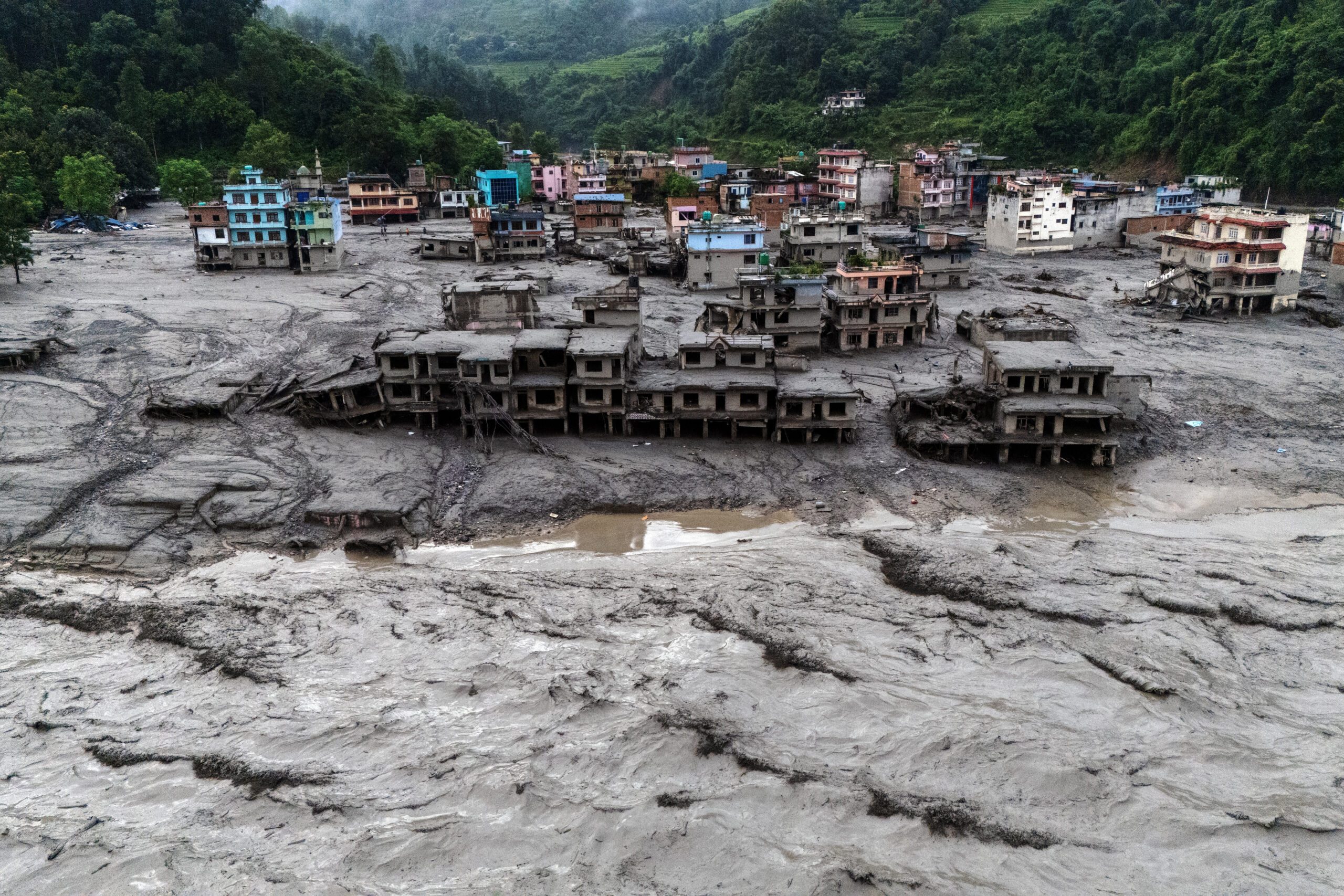
NEW DELHI: The death toll from devastating floods and landslides across Nepal and China's Tibet region has risen to 750, while 3,044 people remain unaccounted for, as rescue teams race against worsening weather and rising river levels. The disaster followed a massive glacier collapse and mudslide along the Nepal-China border on August 26.
Nepal has recorded 734 deaths and 2,498 missing people, according to the country's disaster management authorities. In Tibet's Gyirong County, Chinese authorities have reported 16 deaths and 546 missing. The missing in Tibet include 261 foreign nationals from 23 countries, including citizens of Nepal, India, Latvia, the United States and the United Kingdom.
The scale of destruction has left entire communities devastated. Floodwaters and huge quantities of mud, rocks and debris swept through settlements along river valleys, destroying homes, roads, bridges and other infrastructure. The disaster has also severely disrupted transport and electricity supplies in parts of Nepal, while key hydropower facilities have become major focuses of rescue operations.
Rescue operations face major challenges
Rescue efforts are being hampered by heavy rain, rising river levels, unstable terrain and newly formed landslide dams. Nepalese authorities issued fresh flood warnings on Sunday after water levels in the Bhotekoshi and other rivers rose, prompting residents and rescue personnel in vulnerable areas to move to safer locations.
One of the most urgent rescue operations is focused on workers believed to be trapped inside tunnels at hydropower projects along the Trishuli River. At the Trishuli 3A site, rescuers have managed to insert an air pipe into a tunnel, allowing oxygen to be supplied while excavation work gets underway. More than 100 workers could still be trapped across affected hydropower facilities.
Nepal has deployed thousands of security personnel for search-and-rescue operations, while more than 7,500 people have been rescued so far. Authorities are also seeking specialised assistance for tunnel rescues, DNA testing, forensic identification and the preservation of recovered bodies.
International assistance
China has mobilised more than 2,100 rescue personnel and allocated 220 million yuan for emergency relief. Chinese teams are using helicopters, drones, life-detection equipment and other specialised technology to search for survivors and missing people.
India has also extended assistance to Nepal, including relief supplies and specialised support. The international response is expected to remain focused on rescue operations, victim identification and emergency relief as authorities assess the enormous damage caused by the disaster.
The Red Cross estimates that more than 90,000 people have been affected by the disaster. Chinese authorities have linked the glacier instability behind the disaster to the long-term effects of global warming, highlighting growing concerns over climate-related risks in the Himalayan region.