US and Iran explore phased deal to reopen Strait of Hormuz
NEW DELHI: The United States and Iran are exploring a phased arrangement aimed at reopening the strategically important Strait of Hormuz and easing the economic and military confrontation between the two countries, according to sources familiar with the negotiations. Talks are taking place in New York on the sidelines of the United Nations General Assembly.
Under the proposal being discussed, Iran would allow navigation through the Strait of Hormuz in return for the United States lifting its economic blockade on Iran. The arrangement could also involve Tehran gaining access to some frozen Iranian assets, although no final agreement has been reached.
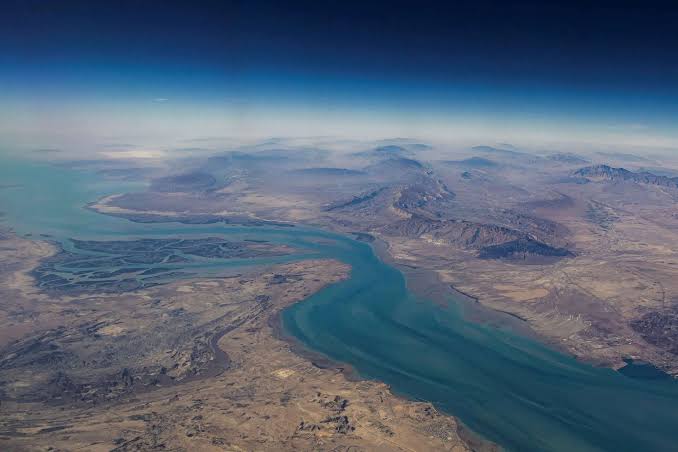
The Strait of Hormuz has emerged as a central issue in efforts to end the nearly seven-month US-Iran conflict. Iran has sought relief from US economic pressure, while Washington has pushed for the restoration of free passage for commercial vessels through the major global energy route.
Iranian Foreign Minister Abbas Araghchi has separately said Tehran has proposed a seven-day plan under which the Strait could be reopened if certain conditions are met, followed by renewed negotiations on Iran's nuclear programme. The proposal was reportedly conveyed to Washington through intermediaries.
The negotiations remain difficult, as both sides are seeking to retain leverage. Iranian officials have indicated that Tehran could move its demand for transit fees outside the main agreement, while continuing to seek administrative control over the waterway. Gulf states, meanwhile, have called for unrestricted freedom of navigation.
Any progress on reopening the Strait of Hormuz could have significant implications for global energy markets and shipping, as the waterway is a major route for oil and gas exports from the Gulf. Reports of the talks have already been followed by a decline in oil prices after a sharp rise in the previous two sessions.