Oil prices hit three-week high as Middle East supply concerns intensify

NEW DELHI: Global oil prices climbed to a three-week high on Thursday, extending gains for a fifth consecutive session, as the prolonged conflict involving Iran and the United States raised fresh concerns about disruptions to crude supplies from the Middle East.
Brent crude futures for October delivery rose $1.20, or around 1.3%, to $92.82 a barrel, while U.S. West Texas Intermediate (WTI) crude for September gained 92 cents to $86.75 a barrel. Both benchmarks reached their highest levels since late July.
The latest rally has been driven primarily by uncertainty surrounding the Strait of Hormuz, a crucial global energy corridor through which a significant share of the world's oil supply normally passes. Shipping activity through the waterway remains well below pre-conflict levels, keeping traders concerned about the possibility of further supply disruptions.
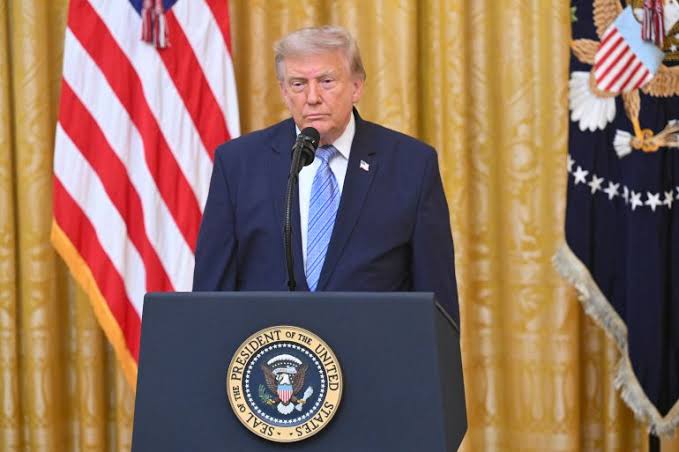
The market has also been closely watching developments between Washington and Tehran. Hopes for a diplomatic breakthrough have weakened, while conflicting statements from the two sides over the status of the Strait of Hormuz have added to uncertainty. U.S. President Donald Trump has said the waterway remains open, while Iran maintains a different position.
Adding to geopolitical concerns, the United Arab Emirates suspended financial and economic transactions with Iran, further increasing fears that the conflict could spread across the Gulf region and affect energy infrastructure and transportation routes.
Oil markets are also being supported by developments in refined fuel supplies. U.S. distillate inventories declined for a third consecutive week, although U.S. crude inventories unexpectedly increased by about 4.4 million barrels. The rise in crude stocks has provided some counterbalance to the geopolitical concerns but has not been enough to reverse the upward momentum in prices.
The sustained rise in crude prices is creating renewed concerns over global inflation. Higher energy costs can feed into transportation, manufacturing and consumer prices, potentially complicating monetary-policy decisions for central banks.
For major oil-importing economies such as India, a prolonged period of elevated crude prices could put pressure on the country's import bill, inflation outlook and currency. The Indian rupee has already come under pressure from elevated oil prices and broader risk aversion.
Analysts and traders are therefore closely monitoring developments around the Strait of Hormuz and the possibility of renewed U.S.-Iran negotiations. Any improvement in the geopolitical situation could ease the supply-risk premium in oil prices, while further escalation could push crude prices significantly higher.