Global markets face pressure as oil prices rise
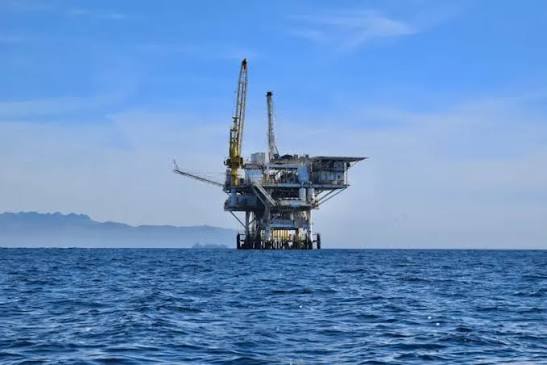
NEW DELHI: Global financial markets came under renewed pressure on Tuesday as crude oil prices climbed above $91 a barrel, following the expiry of the temporary U.S.-Iran ceasefire and growing concerns over a wider disruption to energy supplies. The renewed geopolitical uncertainty has raised fears of higher inflation, tighter financial conditions and slower global economic growth.
Brent crude futures rose to around $91.76 a barrel, while U.S. West Texas Intermediate crude climbed to about $85.55 a barrel. The rise marked a third consecutive session of gains for oil, with investors increasingly concerned that the breakdown in U.S.-Iran negotiations could disrupt shipments through the strategically important Strait of Hormuz.
The Strait of Hormuz remains a key focus for global energy markets because of its importance to international oil and liquefied natural gas shipments. Any prolonged disruption to shipping through the waterway could reduce global supplies and push energy prices significantly higher, increasing costs for businesses and consumers around the world.
The rise in oil prices has also intensified concerns over inflation. Higher energy costs can increase transportation, manufacturing and production expenses, potentially forcing businesses to raise prices. For central banks, renewed inflationary pressure could make it more difficult to reduce interest rates, even as economic growth comes under pressure.
Global bond markets have also reacted sharply. U.S. Treasury yields rose, with the 30-year yield reaching about 5.33% and the 10-year yield approaching 4.74%. Higher government borrowing costs can increase financing expenses for companies and governments and may weigh on investment and economic activity.
Asian stock markets were particularly affected by the developments. The MSCI Asia-Pacific index declined around 0.8%, while major markets including South Korea and Japan recorded losses of more than 2%. Investors have become increasingly cautious as they assess the potential economic consequences of prolonged geopolitical tensions and higher energy prices.
European markets also opened lower, with investors closely monitoring oil prices and bond yields. The combination of expensive energy and higher borrowing costs is creating a challenging environment for businesses, particularly energy-intensive industries and companies dependent on global trade.
India is also facing pressure from the surge in crude prices. The Indian rupee weakened to around ?95.68 against the U.S. dollar, while the Reserve Bank of India is believed to have intervened to limit excessive volatility. Higher oil prices are a particular concern for India because the country imports a large share of its crude oil requirements.
Analysts say the direction of global markets in the coming days will depend heavily on developments in the Middle East, particularly the security of shipping through the Strait of Hormuz and the possibility of renewed diplomatic negotiations between Washington and Tehran. If tensions persist, oil prices could remain elevated and continue to weigh on global equities and economic growth.
For now, investors are closely watching oil prices, bond yields, currency movements and central-bank policy expectations as markets assess whether the latest geopolitical shock will develop into a broader global economic risk.