Johnson Controls launches AI data center cooling design guide
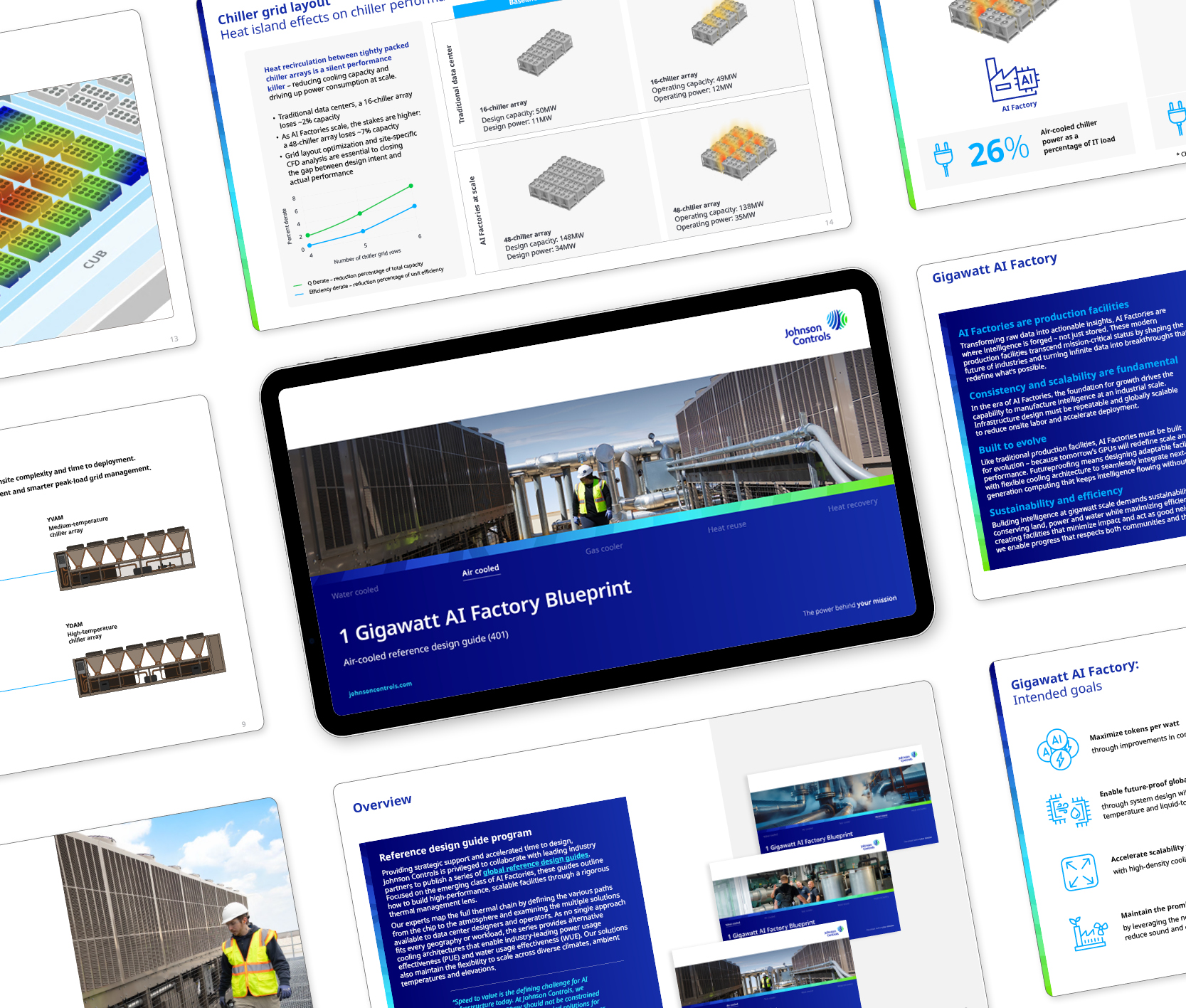
NEW DELHI: Johnson Controls has announced the release of its second AI Factory Reference Design Guide, this time focused on air-cooled chillers, offering a globally scalable framework to help data center operators efficiently and sustainably cool next-generation AI factories.
The latest guide comes as artificial intelligence rapidly increases the scale, density, and complexity of global data center infrastructure, creating mounting challenges around cooling efficiency, energy consumption, and water availability. Building on the company’s earlier water-cooled design framework, the new guide introduces a high-efficiency, zero-water cooling approach aimed at reducing operational strain while supporting gigawatt-scale AI deployments.
According to the company, the air-cooled chiller design eliminates the need for traditional cooling towers and can help save more than 12 million gallons of water per day. The blueprint is designed to support scalable AI factory infrastructure of up to 1 gigawatt (GW) capacity, enabling operators to meet rising AI computing demands while improving environmental sustainability.
The guide also integrates advanced thermal management systems capable of optimising both air-cooled and liquid-cooled IT workloads. Johnson Controls said the reference architecture can improve annual energy consumption by up to 32%, return as much as 50 MW of power back to AI facilities through system optimisation, and reduce peak power demand using more efficient cooling designs.
As hyperscale AI workloads continue to expand globally, data center operators are under growing pressure to reduce energy intensity and water usage while maintaining operational reliability. The company said the AI Factory Reference Design Guide Series is intended to provide a globally repeatable framework for building resilient, future-ready cooling infrastructure that can adapt to evolving AI requirements.
The release highlights the increasing industry focus on sustainable infrastructure and efficient thermal management technologies as AI adoption accelerates across sectors worldwide.


.png)