India faces 100% tariff threat over Russian oil after US House vote
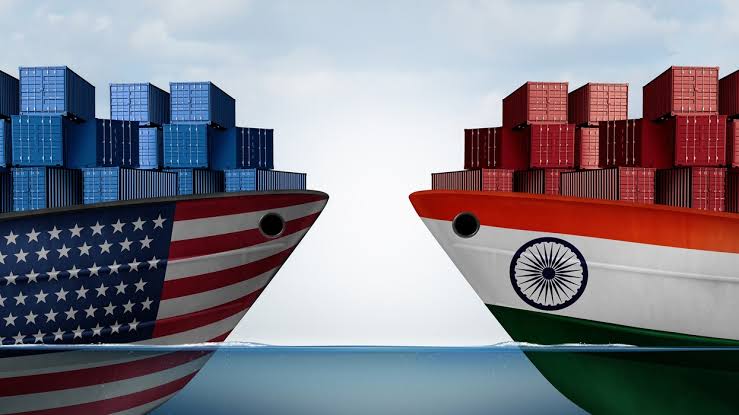
NEW DELHI: India faces the prospect of additional US tariffs of up to 100% after the US House of Representatives passed a sweeping Russia sanctions bill that gives President Donald Trump the authority to impose steep duties on countries purchasing Russian oil and gas. The legislation, which passed the House by 262-159, is aimed at increasing economic pressure on Moscow over the Ukraine war.
The Lindsey O. Graham Sanctioning Russia and Iran Act of 2026 targets Russia's energy and financial sectors and also includes measures against vessels involved in sanctions evasion. The legislation had already cleared the US Senate and now requires Trump's signature before becoming law. Importantly, the House vote does not mean that a 100% tariff has been imposed on India. It gives the US President the authority to impose such tariffs under specified circumstances.
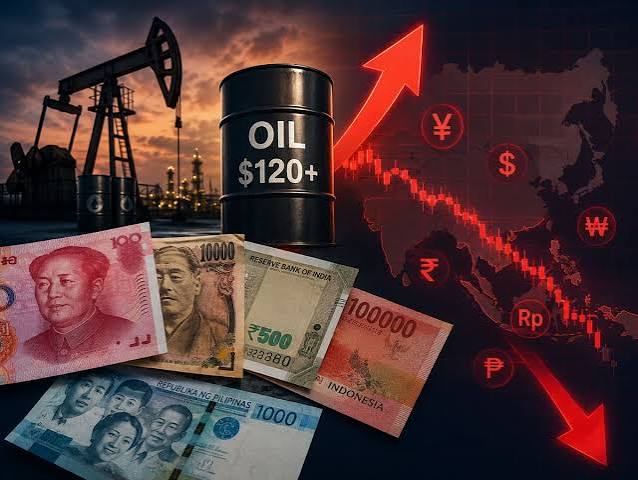
India has emerged as one of the world's largest buyers of Russian crude since Western sanctions reshaped global energy markets following Russia's invasion of Ukraine. Russian oil has become an important source of crude for Indian refiners, with discounted supplies helping them manage input costs and maintain access to large volumes of crude. Reuters reported that India is concerned that new US tariff measures could raise costs for refiners and put pressure on the country's energy security.
Responding to the US House vote, the Ministry of External Affairs said India remains committed to ensuring energy security for its 1.4 billion people through diversified sourcing and evolving market conditions. The ministry also said India would take necessary measures to protect its trade and economic interests and work with Indian industry to address the implications of the new developments.
The proposed tariff authority could have consequences beyond India's oil imports because the potential duties would apply to Indian goods entering the US market. A tariff of up to 100% could significantly increase the cost of Indian products for American buyers if Washington chooses to use the provision. This could create additional pressure on sectors that depend heavily on exports to the US.
The development also comes at a sensitive time for India-US trade relations. New Delhi and Washington have been engaged in discussions on trade and market access, while the possibility of additional US tariffs linked to Russian oil purchases adds another issue to the bilateral economic agenda. Indian officials have previously highlighted the potential impact of such measures on both bilateral relations and global energy markets.
For India, the situation presents a balance between maintaining access to competitively priced crude and limiting the potential impact of US trade measures. The eventual effect will depend on whether President Trump invokes the tariff authority, the level of duties imposed, possible exemptions or waivers, and how Indian refiners adjust their sourcing strategies.