Trump rules out fresh Iran strikes before US midterm elections as diplomatic talks continue
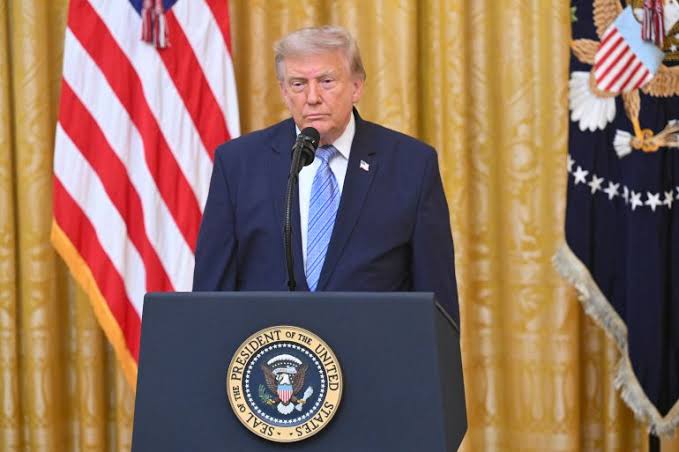
NEW DELHI: US President Donald Trump has ruled out fresh military strikes against Iran before the November 3 midterm elections, citing ongoing “productive discussions” with Tehran aimed at ending the conflict. The announcement comes amid renewed diplomatic efforts to reopen the strategically important Strait of Hormuz, ease pressure on global energy markets and resolve the continuing dispute over Iran's nuclear programme.
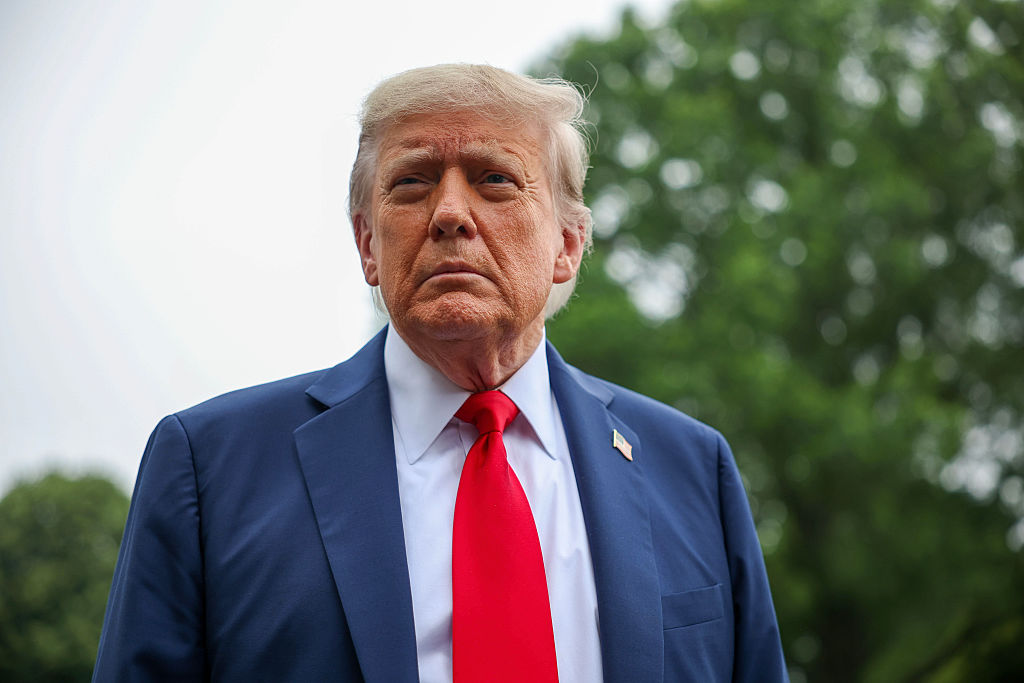
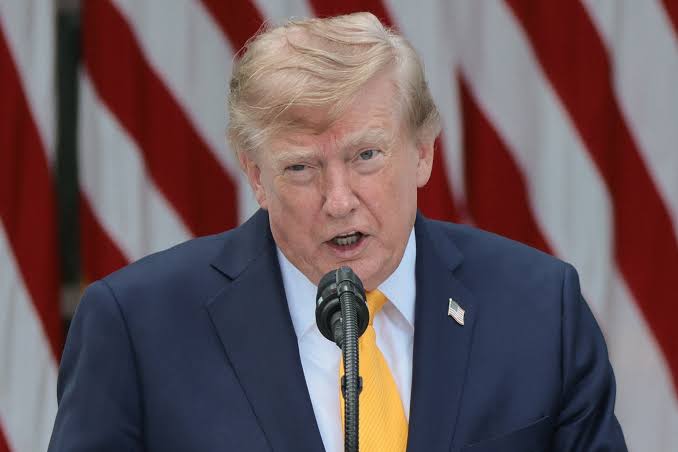
In a post on his Truth Social platform on Thursday, Trump said the United States would not attack Iran before the midterm elections. He maintained that Washington was in discussions with the Iranian government, while reiterating that Iran must not be allowed to acquire nuclear weapons.
The announcement marks a significant shift in Washington's immediate military messaging after reports that the US administration had been considering fresh strikes against Iranian targets ahead of the elections. However, Trump's statement does not amount to a permanent end to military operations, and the possibility of further escalation after the November vote remains open.
The conflict began in February 2026, when the United States and Israel launched strikes against Iran. Since then, the confrontation has disrupted regional security, complicated international shipping and contributed to volatility in global oil markets. Efforts to secure a lasting settlement have encountered disagreements over nuclear activities, maritime access and the conditions for ending hostilities.
Iran reviews US proposal on Strait of Hormuz
A central issue in the negotiations is the reopening of the Strait of Hormuz, a critical shipping corridor connecting the Persian Gulf with international markets. Before the conflict, the waterway carried oil and fuel shipments equivalent to roughly one-fifth of global consumption, making any disruption a major concern for energy-importing countries.
Iran has proposed a framework under which the strait could reopen within seven days, subject to conditions linked to ending hostilities and resolving the dispute with Washington. The United States has responded with a counterproposal, which Tehran is currently reviewing.
Iranian Foreign Minister Abbas Araghchi said the diplomatic process was continuing and indicated that Tehran could respond to Washington's proposal within days, according to reports from Iranian media. However, no final agreement on reopening the waterway or ending the conflict has been announced.
The waterway's status remains a major concern for shipping companies, energy producers and governments. Although US forces have sought to protect oil tanker movements and restrict Iranian oil exports, maritime traffic remains affected by security risks and restrictions. The continued uncertainty has increased the cost and complexity of transporting energy supplies through the region.
Nuclear programme remains a major obstacle
Iran's nuclear programme remains one of the most difficult issues in negotiations. Washington has demanded substantial restrictions on Iran's uranium enrichment capacity, while Tehran has resisted calls to abandon enrichment or surrender its uranium stockpile.
Iranian state media reported on Thursday that the country's Atomic Energy Organization chief had reiterated that Tehran would not give up uranium enrichment or hand over its stockpile. The position highlights the gap between the two sides, despite renewed diplomatic engagement.
The United States and its allies have long raised concerns about the possibility of Iran developing nuclear weapons. Tehran has denied seeking to build such weapons and maintains that its nuclear programme is for peaceful purposes.
Trump has continued to insist that Iran must not obtain a nuclear weapon. Whether negotiators can agree on verifiable limits on enrichment, monitoring arrangements and other safeguards is likely to be central to any broader settlement.
Washington maintains economic pressure on Tehran
Despite Trump's statement ruling out an attack before the elections, the US administration has continued to apply economic pressure on Iran.
The US Treasury Department announced fresh sanctions on Thursday targeting individuals, networks and 17 vessels accused of transporting Iranian crude oil, petroleum products and petrochemicals. Washington said the measures were intended to disrupt revenue streams linked to Iran's oil trade and maritime networks.
The sanctions indicate that the diplomatic track is proceeding alongside efforts to restrict Tehran's ability to generate revenue from energy exports. The measures could also complicate negotiations if Iran views them as inconsistent with the conditions it considers necessary for a settlement.
Oil prices ease, but market uncertainty persists
Oil prices declined on Friday after Trump's announcement reduced immediate concerns about a fresh US attack. Brent crude futures fell by $1.37, or 1.3%, to $102.91 a barrel, while US West Texas Intermediate crude dropped by $1.09, or 1.2%, to $90.40, according to Reuters.
The decline followed a sharp rise in oil prices on Thursday, when fears of renewed military escalation and disruptions to shipping through the Strait of Hormuz increased concerns over global supplies. Despite Friday's retreat, Brent remained on course for a weekly gain.
The outlook for energy markets will depend heavily on developments in the negotiations, the security of tanker movements and the extent to which restrictions on Iranian oil exports continue. Any agreement that restores more predictable shipping through the strait could ease supply concerns, while renewed hostilities could put further pressure on oil prices and fuel costs.
Midterm elections add a political dimension
Trump's announcement also comes at a politically sensitive time for his administration. The November 3 congressional midterm elections will determine control of the US House of Representatives and Senate, where Republicans are seeking to preserve their narrow majorities.
The conflict has contributed to higher fuel costs and public concern about the economic consequences of prolonged military engagement. A Reuters/Ipsos poll cited in recent reporting found that around 60% of Americans, including approximately one-quarter of Republicans surveyed, disapproved of Trump's handling of the Iran situation.
Trump has previously suggested that oil prices could decline after the elections, but he has not outlined a comprehensive plan for ending the conflict. His latest announcement establishes a stated pause on fresh attacks before the vote, while leaving the wider military and diplomatic strategy unresolved.
What happens next?
The immediate focus will be on Iran's response to the US counterproposal and whether both sides can agree on a timetable for reopening the Strait of Hormuz. Progress will also depend on resolving disagreements over uranium enrichment, sanctions, maritime security and the broader terms for ending hostilities.
For now, Trump's announcement has lowered immediate expectations of a new US attack before November 3, but it has not established a ceasefire or a permanent peace agreement. The coming days are likely to be important in determining whether the current diplomatic opening can produce concrete steps towards de-escalation.