US imposes fresh sanctions on Iran-linked military procurement network
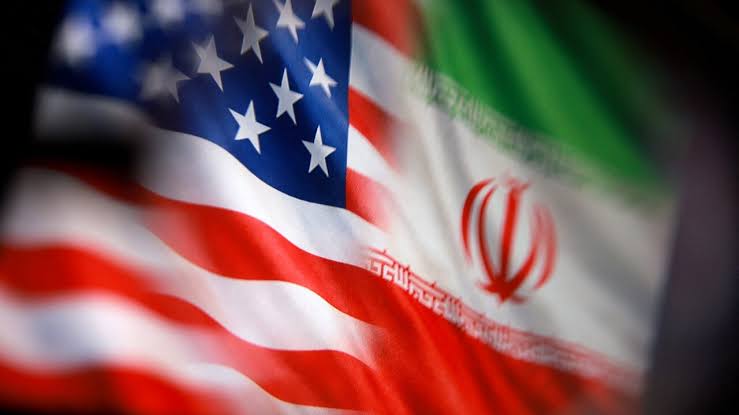
NEW DELHI: The United States has imposed fresh sanctions on 10 individuals and entities accused of helping Iran procure weapons and military components, as Washington intensifies economic pressure on Tehran amid the continuing US-Iran conflict.
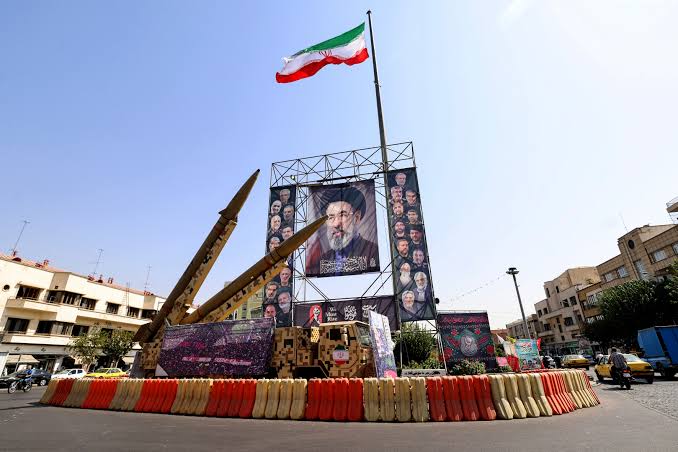
The US Treasury Department said on September 29 that the sanctions target networks operating across multiple jurisdictions, including Iran, China, Hong Kong and Pakistan, that allegedly helped Iran’s Ministry of Defense and Armed Forces Logistics (MODAFL) obtain weapons and related components. MODAFL oversees Iran’s military weapons research, production and procurement activities, including programmes involving ballistic missiles and unmanned aerial vehicles.
The latest measures were announced under the Trump administration’s “Operation Economic Outcast”, a broader campaign aimed at restricting Iran’s access to international financial and commercial networks. US officials said the action is intended to disrupt procurement channels and make it more difficult and costly for Iran to rebuild its military capabilities.
US Treasury Secretary Scott Bessent said Washington would continue identifying and targeting individuals and organisations that provide material, technological or financial assistance to Iran. The Treasury said the latest designations focus on networks involved in obtaining weapons and components for Iran’s defence establishment.
According to the Treasury, the targeted network includes individuals and companies involved in procuring military equipment and technology for Iran. Some of the alleged procurement activity involved electronics and other components that can be used in Iran’s missile and drone programmes. The US action is part of a continuing effort to restrict Tehran’s ability to obtain sensitive technologies and equipment through overseas intermediaries.
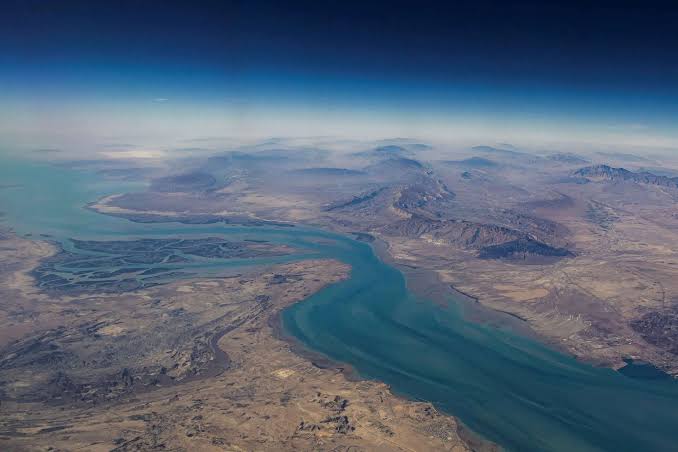
The sanctions come as diplomatic efforts to reduce tensions between Washington and Tehran remain uncertain. Qatar has been involved in mediation efforts between the two sides, with discussions focusing on issues including the Strait of Hormuz, sanctions and Iran’s nuclear programme. However, significant differences remain over the conditions for any broader agreement.
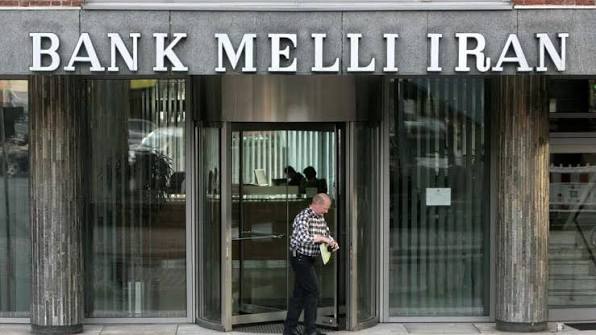
The economic pressure is also being felt inside Iran. The Iranian rial fell to a new record low on Tuesday, with traders reportedly exchanging more than 2.5 million rials for one US dollar, reflecting the growing strain on the country's economy amid the prolonged conflict and sanctions.
Washington has previously imposed sanctions on Iranian and foreign companies accused of supporting Tehran’s missile, drone and military procurement programmes. The latest action expands that pressure to additional overseas individuals and entities that the US says have helped Iran access weapons and components.
The new sanctions also carry wider implications for international businesses and financial institutions dealing with the designated parties. US sanctions can restrict access to the US financial system and expose foreign institutions to potential penalties if they conduct prohibited transactions with sanctioned entities.
The measures underscore the continuing use of economic sanctions alongside military and diplomatic pressure in Washington’s approach to Iran. While US officials say the sanctions are designed to weaken Iran’s military procurement capabilities, the move comes at a time when mediators are also seeking a diplomatic pathway to reduce the conflict and address the dispute over the Strait of Hormuz.