G7 backs Ukraine, announces tougher sanctions to increase pressure on Russia
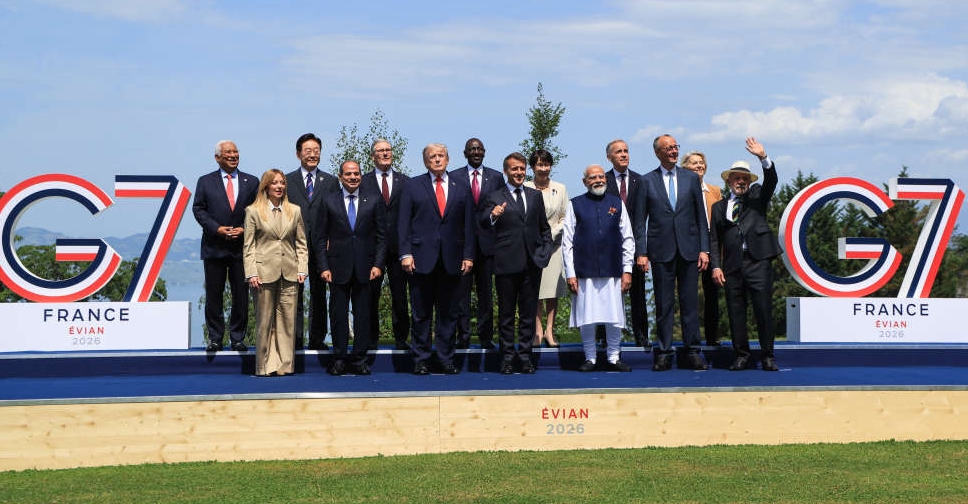
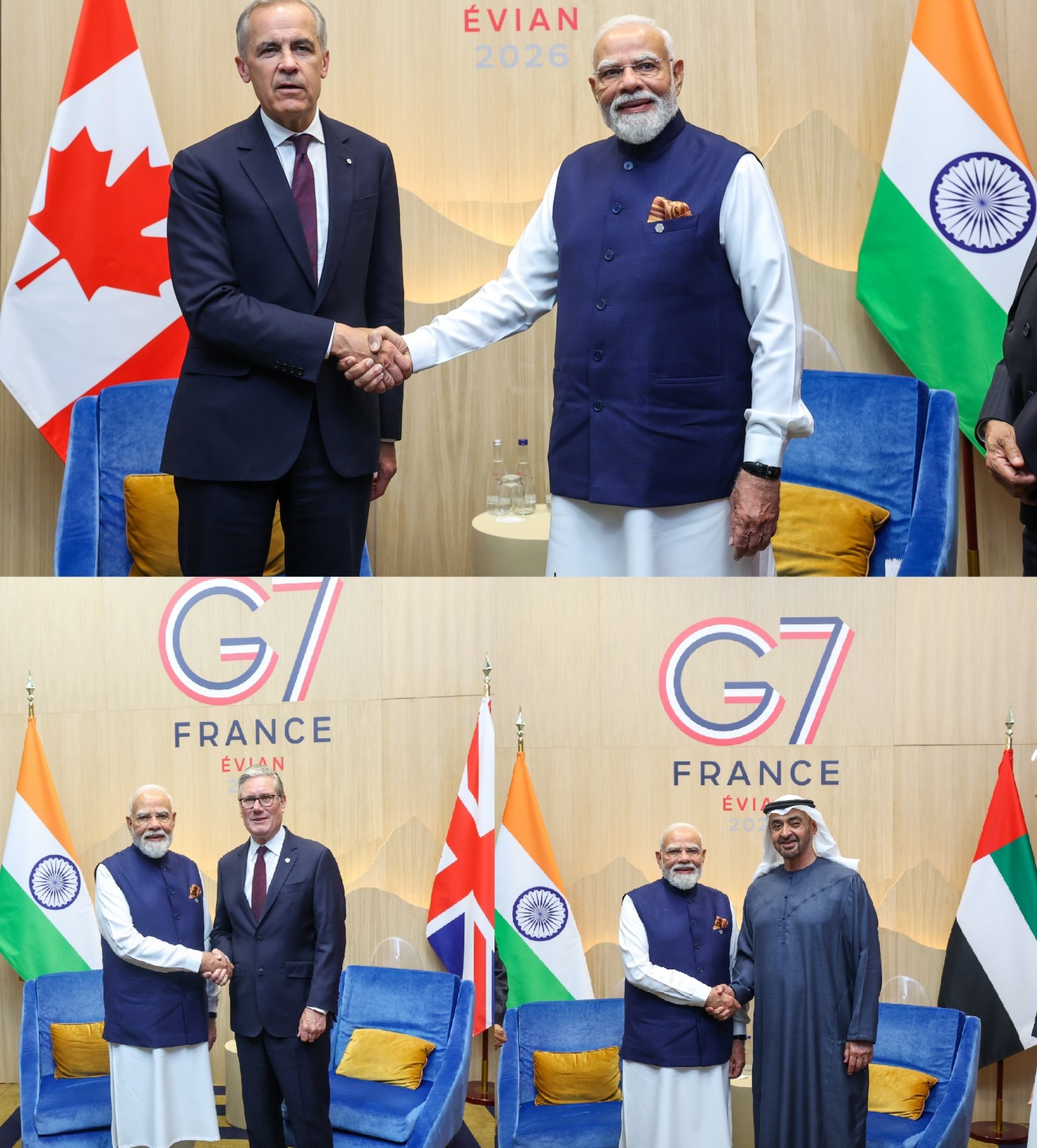
NEW DELHI: Leaders of the Group of Seven (G7) nations have reaffirmed their unwavering support for Ukraine and agreed to intensify pressure on Russia through additional sanctions, particularly targeting Moscow's energy revenues and military-industrial network, in a strong show of unity at the G7 Summit in France.
The joint declaration, issued after a high-level meeting attended by Ukrainian President Volodymyr Zelenskyy, underscored the G7's commitment to Ukraine's sovereignty, independence and territorial integrity. Leaders stressed that Russia's ongoing military campaign continues to threaten global stability and reiterated that economic pressure remains a key tool in pushing Moscow toward meaningful peace negotiations.
Canadian Prime Minister Mark Carney announced a fresh package of sanctions targeting Russia's so-called "shadow fleet," which has been used to circumvent existing restrictions on oil exports. The new measures will also focus on Russian energy revenues, defence manufacturing capabilities and entities accused of spreading disinformation.
Speaking after the summit discussions, President Zelenskyy said G7 leaders agreed that Russia is not winning the war and that sustained economic and diplomatic pressure is essential to bring the Kremlin to the negotiating table. He called for tougher sanctions on Russian oil exports, banking institutions and military production facilities while urging allies to continue strengthening Ukraine's air defence capabilities.
The summit comes at a time when international attention is gradually shifting back toward the Ukraine conflict following signs of de-escalation in tensions between the United States and Iran. With energy markets stabilising, several G7 members argued that the current environment offers an opportunity to tighten restrictions on Russian oil and gas exports without causing major disruptions to global supplies.
In addition to sanctions, leaders discussed expanding military assistance to Kyiv, including enhanced air defence systems and long-term security support. Diplomatic sources indicated that participants agreed on the need to strengthen Ukraine's ability to defend its territory while maintaining momentum toward a future peace process.
The summit also saw renewed discussion on potential peace negotiations between Ukraine and Russia. Several European leaders reportedly encouraged US President Donald Trump to facilitate direct talks between President Zelenskyy and Russian President Vladimir Putin. While no concrete breakthrough was announced, leaders expressed cautious optimism that increased international pressure could eventually create conditions for meaningful dialogue.
Beyond Ukraine, the G7 summit addressed broader issues including energy security, critical minerals, artificial intelligence governance and global economic stability. However, support for Ukraine and efforts to increase pressure on Russia emerged as one of the defining outcomes of the gathering, signalling continued Western resolve more than four years into the conflict.