US-Iran ceasefire collapses as Iran threatens fresh offensive
NEW DELHI: The fragile ceasefire between the United States and Iran has effectively collapsed, raising fears of a fresh escalation in the Middle East. Iran has warned that it could shift to a “fully offensive” military posture after negotiations aimed at securing a permanent end to the conflict failed to make meaningful progress. The United States, meanwhile, has ruled out extending the temporary ceasefire under the current conditions.
The latest developments have sharply reduced hopes of an immediate diplomatic breakthrough. Iranian officials have indicated that Tehran is prepared to intensify military action if a permanent settlement cannot be reached. The warning comes as negotiations between Washington and Tehran remain stalled over several major issues, including the future of the Strait of Hormuz, sanctions and security arrangements.
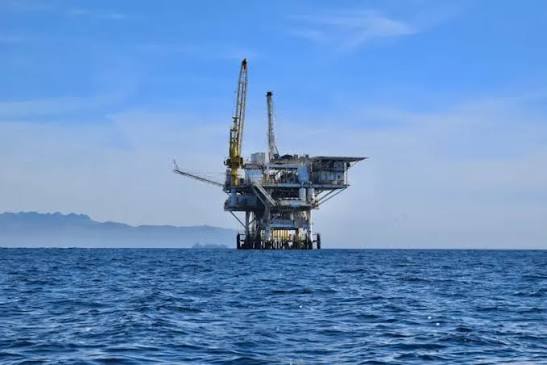
The Strait of Hormuz has emerged as one of the central issues in the dispute. The strategically important waterway is a major route for global energy shipments, and disruptions to shipping have already raised concerns about supplies and prices. Iran has maintained that the strait will not fully reopen unless Washington agrees to its conditions, while the United States has demanded unrestricted commercial navigation.
The breakdown in diplomacy is already affecting international energy markets. Brent crude rose to around $91.76 a barrel on Tuesday, while U.S. West Texas Intermediate crude climbed to about $85.55 a barrel. Analysts say prolonged uncertainty over shipping through the Strait of Hormuz could keep oil prices elevated and increase pressure on global economies.
The conflict is also creating wider financial-market concerns. Higher oil prices are raising fears of renewed inflation, while investors are closely watching currencies, government bond yields and global stock markets for signs of further economic stress. India has also felt the impact, with the rupee falling to a nearly three-week low amid higher crude prices and pressure on emerging-market currencies.
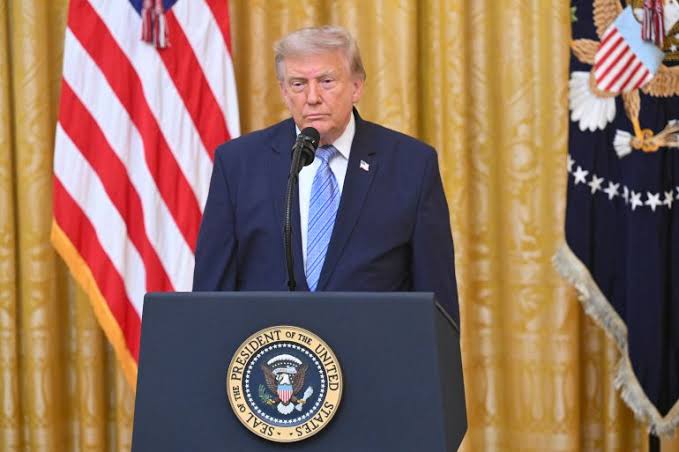
Despite the worsening situation, diplomatic efforts have not completely stopped. Regional countries, including Turkey and Oman, have been involved in efforts to keep channels of communication open. Turkish President Recep Tayyip Erdogan has urged U.S. President Donald Trump to continue negotiations with Iran and offered Turkey's support for efforts aimed at reducing tensions.
The immediate concern is whether the collapse of the ceasefire will lead to a broader military confrontation. With Iran threatening a more offensive posture and Washington refusing to extend the current arrangement, the coming days could prove critical for diplomacy, regional security and global energy markets.
Keywords: US-Iran conflict, Iran ceasefire, US Iran tensions, Iran offensive, Strait of Hormuz, Middle East crisis, Donald Trump, Iran peace talks, oil prices, global energy crisis, international news, Middle East tensions, global markets